

 English
 中文简体
 русский
 Español
 عربى

Disposable Paper Boxes for Food: Balancing Grease Resistance, Food Safety, and Packaging Performance
2026-11-06
As takeaway services, food delivery, and ready-to-eat meals continue to shape the foodservice market, packaging requirements are becoming more demanding. Restaurants and food distributors need containers that protect meals during transportation without creating unnecessary material or compliance concerns. For manufacturers and overseas buyers, disposable paper boxes for food are no longer just about appearance. Grease resistance, food-contact safety, structural strength, and material selection all influence whether a box performs well in everyday commercial use.
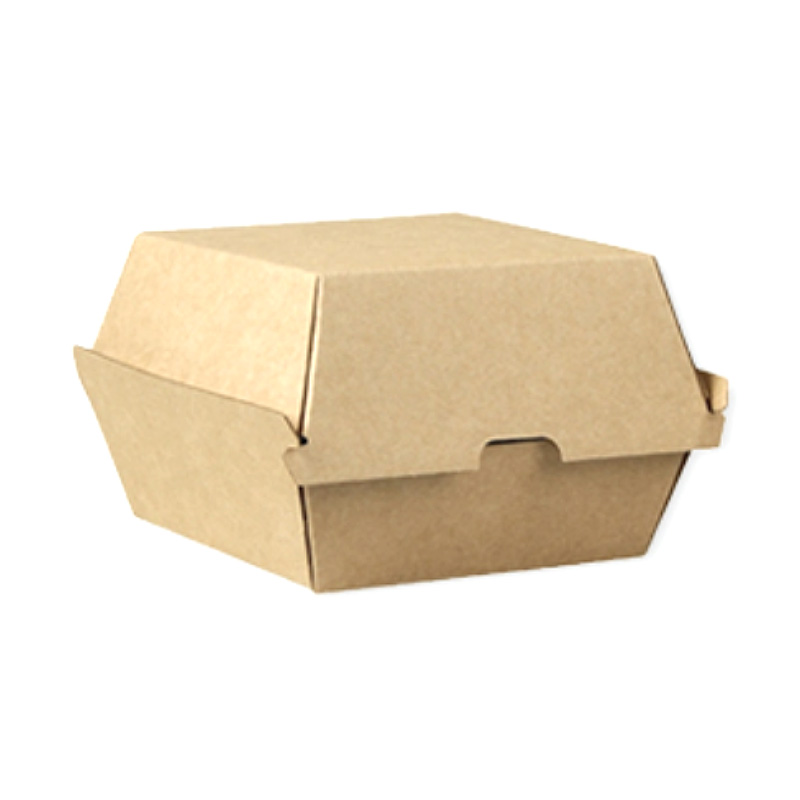
Food Packaging Requirements Are Becoming More Specific
Different food products create different packaging challenges. Fried chicken, burgers, noodles, salads, and baked goods do not require the same level of moisture or grease protection. A box designed for dry bakery products may become unsuitable when used for oily or hot meals.
From a manufacturing perspective, understanding the intended application should come before selecting paper materials. Buyers should consider:
- Food temperature and oil content.
- Expected transportation and storage time.
- Whether the box needs to hold sauces or moist ingredients.
- Whether ventilation is necessary to maintain food texture.
Matching the box structure to its actual use helps reduce leakage complaints and packaging waste.
Grease Resistance Without Unnecessary Chemical Concerns
Grease penetration is a common issue with paper food containers. When oil gradually passes through the paper surface, it can weaken the packaging, stain delivery bags, and affect the customer's experience.
However, improving grease resistance should not come at the expense of food-contact safety. The EU Packaging and Packaging Waste Regulation (PPWR), applicable from August 2026, introduces restrictions on PFAS in food-contact packaging.
As manufacturers, we recognize that material selection and coating evaluation need to work together. Buyers should ask suppliers about the grease-resistant treatment used, whether PFAS-related testing is available, and whether supporting material documentation can be provided.
Choosing the Right Paper Structure for Different Meals
Paper weight alone does not determine packaging performance. Box construction, folding design, coating properties, and bottom-panel support also affect how a container performs.
For example, takeaway boxes for fried foods need sufficient grease resistance, while containers for rice dishes or noodles require attention to moisture exposure and closure stability.
When evaluating disposable paper boxes for food, buyers should compare the complete packaging structure rather than focusing on a single material specification. Sample testing with the actual food product can reveal problems that may not appear during a simple visual inspection.
Preventing Leakage During Food Delivery
Delivery conditions introduce additional pressure on paper packaging. Containers may be stacked, tilted, moved between vehicles, or exposed to temperature changes before reaching customers.
Several details deserve attention during product evaluation:
- Bottom construction: Check whether the base remains stable under the intended food load.
- Corner folding: Poorly formed corners can become potential leakage points.
- Lid fitting: The closure should remain secure during normal handling.
- Ventilation: Appropriate openings can help manage steam from hot meals.
These details are particularly important for restaurants and foodservice distributors purchasing packaging in bulk.
Food Safety and Material Documentation Matter
With changing packaging regulations, overseas buyers are paying closer attention to supplier documentation. A product described as recyclable, compostable, or PFAS-free should be supported by appropriate evidence rather than marketing language alone.
We recommend confirming food-contact suitability, coating composition, relevant test reports, and applicable market requirements before placing large orders. Requirements may differ between destinations, so buyers should communicate their target markets clearly during product development.
Customization Should Support Practical Performance
Custom printing, box dimensions, lid structures, and packaging styles help food brands maintain consistent presentation across different sales channels. However, customization should also consider production feasibility and actual food requirements.
Before confirming an order, manufacturers and buyers should review artwork, dimensions, folding samples, material specifications, and packaging performance together. This process helps identify potential issues before mass production and reduces unnecessary adjustments later.
Building More Reliable Food Packaging Solutions
The demand for disposable paper boxes for food is moving beyond basic container supply toward packaging that addresses food protection, regulatory awareness, and delivery performance. As a manufacturer, we believe that careful material selection, practical structural design, and clear quality documentation are essential to meeting these expectations. For overseas wholesalers, restaurant suppliers, and private-label buyers, working with a manufacturer that understands these details can make product selection and bulk purchasing more straightforward.

Quick Links
Contact Information
Tel :+86-577-68638886
Phone :+86-13732041077
Fax:+86-577-68628876
Email :[email protected]
Add : No,.1299 Keji Road, Longgang City, Wenzhou City, Zhejiang Province, China
Contact Information
Copyright © Zhejiang Richpak Technology Co., Ltd.

Custom Cake Paper Cups