

 English
 中文简体
中文简体 русский
 Español
 عربى
عربى
Food Paper Buckets That Handle Delivery, Stacking, and Everyday Service
2026-10-16
Takeaway packaging faces different challenges once food leaves the kitchen. Containers may be stacked during preparation, packed into delivery bags, carried across busy streets, or kept warm before serving. For restaurants, foodservice distributors, and packaging importers, these conditions make container stability and practical design important purchasing considerations. As a manufacturer, we focus on helping buyers select paper buckets for food that suit their menu, handling requirements, and daily packaging operations.
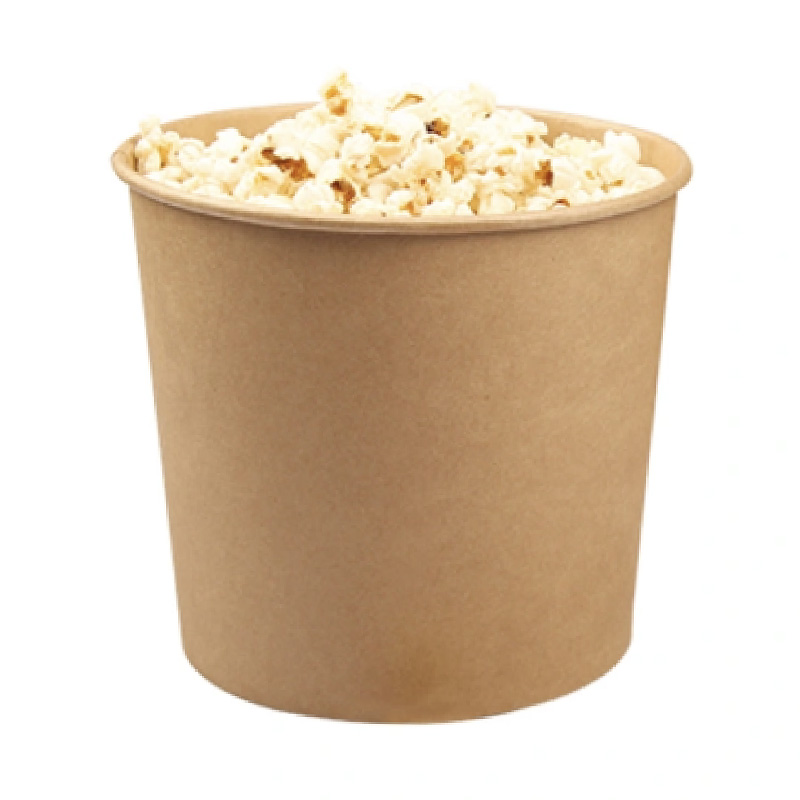
Prevent Deformation During Packing and Delivery
A paper bucket may look sturdy when empty but behave differently after being filled with hot food. Excessive pressure, uneven loading, and contact with moisture or oil can affect its shape. If the sidewalls bend or the base becomes unstable, staff may find it difficult to stack or transport the container safely.
Buyers should assess bucket strength under realistic filling and handling conditions. The paper grade, wall structure, base construction, and overall dimensions all influence performance. Testing filled samples before confirming a large order helps reveal weaknesses that may not be obvious from product photographs.
Consider Ventilation for Hot Takeaway Food
Freshly cooked food releases heat and moisture. When steam becomes trapped inside a tightly packed container, fried products may lose their crisp texture. Packaging design should therefore reflect the food's temperature, moisture level, and expected delivery time.
For fried chicken, fries, and similar menu items, buyers should consider whether ventilation features are appropriate. Not every food bucket requires the same opening design, so testing with the actual menu item is important. The goal is to balance heat retention, food quality, and convenient handling without compromising the container's intended use.
Select Suitable Paper and Barrier Materials
Oil and moisture resistance remain important when packaging freshly prepared meals. A bucket designed for popcorn or dry snacks may not be suitable for greasy food.
When sourcing paper buckets for food, buyers should confirm the intended application before selecting materials. Relevant considerations include:
- Food temperature and oil content.
- Expected contact time with the packaging.
- Resistance to softening during normal use.
- Suitability of coatings for the intended food-contact conditions.
Material choices should also align with applicable disposal and recycling requirements in the destination market.
Make Bucket Dimensions Work for Your Menu
An oversized bucket can waste storage space and increase packaging costs, while a container that is too small can make filling difficult and affect product presentation. Dimensions should match serving portions, food shape, and the way staff prepare orders.
Restaurants and distributors should evaluate bucket height, opening diameter, base size, and filling access together. For multi-item menus, selecting a coordinated range of sizes can simplify storage and ordering while accommodating different serving needs.
Keep Branding Clear Across Different Designs
Custom printing allows food businesses to display logos, colours, and promotional information directly on packaging. However, designs must work with the bucket's curved surface and assembled shape.
For custom paper buckets for food, we recommend checking artwork placement, colour consistency, and print clarity on physical samples. Buyers should also confirm whether the design remains readable when the container is filled or held by a customer. Clear specifications help reduce artwork revisions and support consistent presentation across production batches.
Review Supplier Quality Before Scaling Orders
A sample approval process should cover more than appearance. Buyers should check dimensions, seam quality, base stability, printing, and performance with the intended food. Packaging should also be evaluated under normal stacking, carrying, and delivery conditions.
As a manufacturer, we encourage customers to share their product requirements and target-market expectations before production begins. Clear communication about materials, printing, and intended use helps establish consistent quality standards and reduces the risk of receiving packaging that does not match operational needs.
Choose Packaging for Real Working Conditions
Reliable takeaway packaging starts with understanding how food is prepared, packed, transported, and served. Buyers who evaluate structural strength, ventilation, material suitability, dimensions, and print quality can make more informed sourcing decisions. Properly specified paper buckets for food help businesses maintain convenient service, present products consistently, and support the practical demands of takeaway and delivery operations.

Quick Links
Contact Information
Tel :+86-577-68638886
Phone :+86-13732041077
Fax:+86-577-68628876
Email :[email protected]
Add : No,.1299 Keji Road, Longgang City, Wenzhou City, Zhejiang Province, China
Contact Information
Copyright © Zhejiang Richpak Technology Co., Ltd.

Custom Cake Paper Cups