

 English
 中文简体
中文简体 русский
 Español
 عربى
عربى
What Factory Tests Matter Before Ordering Bulk Coffee Cups
2026-02-26
Choosing the right double wall paper coffee cups for your café, restaurant, or wholesale distribution starts long before you place that bulk order with a coffee cup factory. Many buyers think the process is simply requesting a quote and waiting for delivery, but experienced purchasers know the real key to long-term success is thorough pre-order testing and inspection. Without these checks, you risk receiving products that leak, deform, don’t meet your specifications, or fail to comply with local food safety standards.
One café owner once shared that after placing a large order, dozens of cups arrived with inconsistent wall thickness and poor seam bonding — causing leaks during service and customer complaints. That situation could have been avoided with a clear quality plan and sample testing before the factory started mass production.
Why Pre-Order Testing Is Critical
Before production begins, testing ensures that the materials, dimensions, and basic functionality of the cups match your expectations. This step is far more reliable than depending on photos, spec sheets, or verbal assurances from suppliers alone.
A structured factory inspection routine typically includes three checkpoints: pre-production inspection (PPI), during production inspection (DPI), and pre-shipment inspection (PSI). These checkpoints work together to catch problems early and prevent large batches of defective cups.
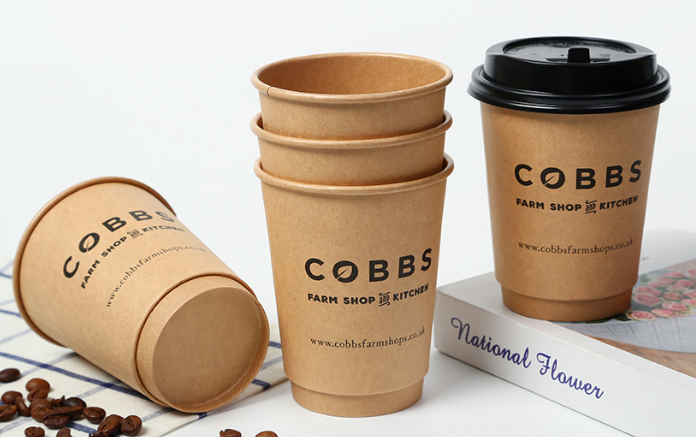
1. Pre-Production Inspection (PPI)
This inspection happens immediately after you place your order but before the coffee cup factory starts mass production. At this stage, the goal is to verify that the supplier understands and can meet your specifications. Common elements to check include:
Material specs: Confirm the paperboard GSM weight and coating type (e.g., PE or compostable lining) to match your performance and recycling requirements.
Coating weight: Measure the coating weight per side to ensure it’s within acceptable tolerance, which influences leak resistance.
initial-article samples: These initial pieces should be produced with the same materials and tooling planned for the full run. Test these for leaks, dimensions, and printing.
This step is your last chance to catch material or design mismatches before production begins. Once the factory presses “start,” changes become expensive or impossible.
2. During Production Inspection (DPI)
After about 40-60 % of production is complete, a during production inspection helps ensure the factory hasn’t deviated from the agreed specification.
Key checks at this stage include:
Leak testing: Sample cups filled with hot water for 30 minutes to observe if seams or bottom joints allow moisture to escape.
Dimension checks: Measure a selection of cups to verify consistent height, rim diameter, and capacity.
Visual checks: Evaluate print quality, seam alignment, and wall integrity to catch any mass-production errors early.
Catching issues mid-production saves time and money, as corrections can be made before the entire shipment is completed.
3. Pre-Shipment Inspection (PSI)
Before containers are loaded for shipment, a final pre-shipment inspection verifies the finished product. This step typically involves standardized sampling (e.g., AQL 2.5) and includes:
Physical testing: Check a random sample of cups for leaks, structural stability, rim finish, and print quality.
Labeling and packaging: Confirm that packaging matches your order, including accurate counts, labeling, and any required safety markings.
Documentation: Ensure packing lists and certificates of compliance are correct.
Failing to perform a PSI might mean discovering problems only after your shipment arrives — which is costly, especially with international freight involved.
Hands-On Testing You Can Do Yourself
Beyond factory checkpoints, you can also run simple hands-on tests when reviewing samples:
Leak test: Fill cups with hot liquid and wait — any signs of seepage indicate poor seam integrity.
Structural integrity test: Squeeze to check for deformation; the cup should hold its form without softening.
Heat retention test: Measure exterior temperature over time to ensure wall insulation meets your service needs.
Coating inspection: Look for even coating without thin spots — uneven coating may compromise moisture resistance.
Repeating these checks with several sample batches gives you a clearer idea of what to expect in volume orders.
Certifications and Compliance
Always ask for and verify certificates such as FDA food contact compliance, compostability certifications (if applicable), and sustainable sourcing marks like FSC. These documents should be validated through issuing bodies, not just supplied by your vendor.
Well-executed testing and inspection protocols before ordering bulk coffee cups can mean the difference between smooth operations and avoidable headaches. Whether you source from manufacturers such as Zhejiang Richpak Technology Co., Ltd. or another trusted coffee cup factory, adopting these quality checks helps ensure products meet expectations for performance, safety, and durability.
By incorporating pre-production, mid-production, and pre-shipment inspections — along with hands-on sample tests — you protect your purchase, your budget, and your reputation. Investments in quality now help avoid far greater costs later.


Quick Links
Contact Information
Tel :+86-577-68638886
Phone :+86-13732041077
Fax:+86-577-68628876
Email :[email protected]
Add : No,.1299 Keji Road, Longgang City, Wenzhou City, Zhejiang Province, China
Contact Information
Copyright © Zhejiang Richpak Technology Co., Ltd.

Custom Cake Paper Cups