

 English
 中文简体
中文简体 русский
 Español
 عربى
عربى
Wholesale vs Custom Food Packaging Paper Box Choices
2026-01-29
For many foodservice businesses, choosing between disposable paper boxes for food and tailored custom paper box packaging solutions is a key operational decision. Whether you are a restaurant owner trying to reduce waste, a meal kit business exploring brand presentation, or an e‑commerce seller shipping prepared foods, your packaging choice affects everything from cost and performance to environmental impact and customer satisfaction.
1. Standard Wholesale Options: Budget and Availability
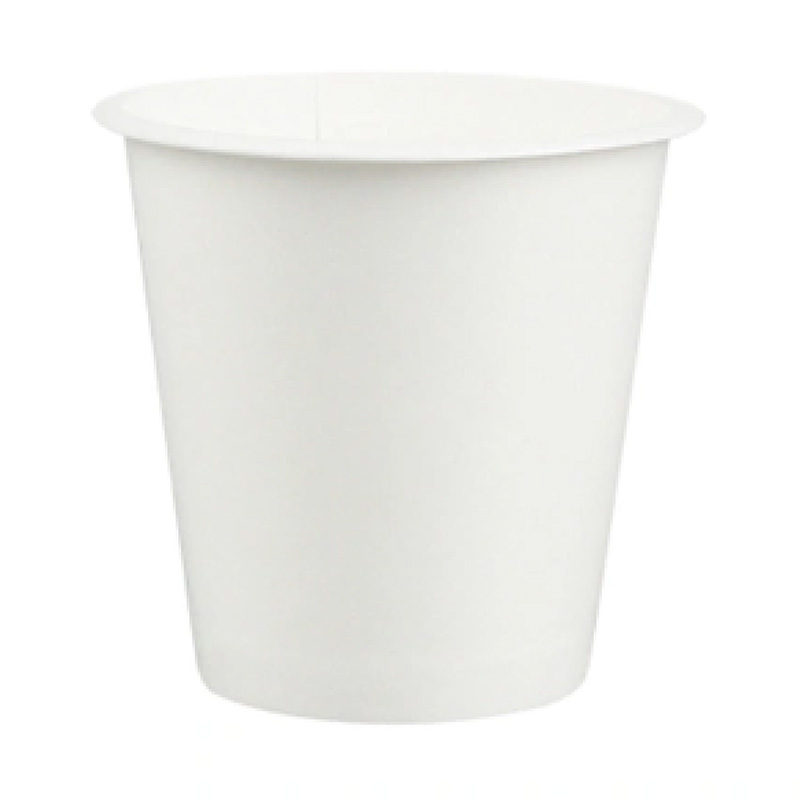
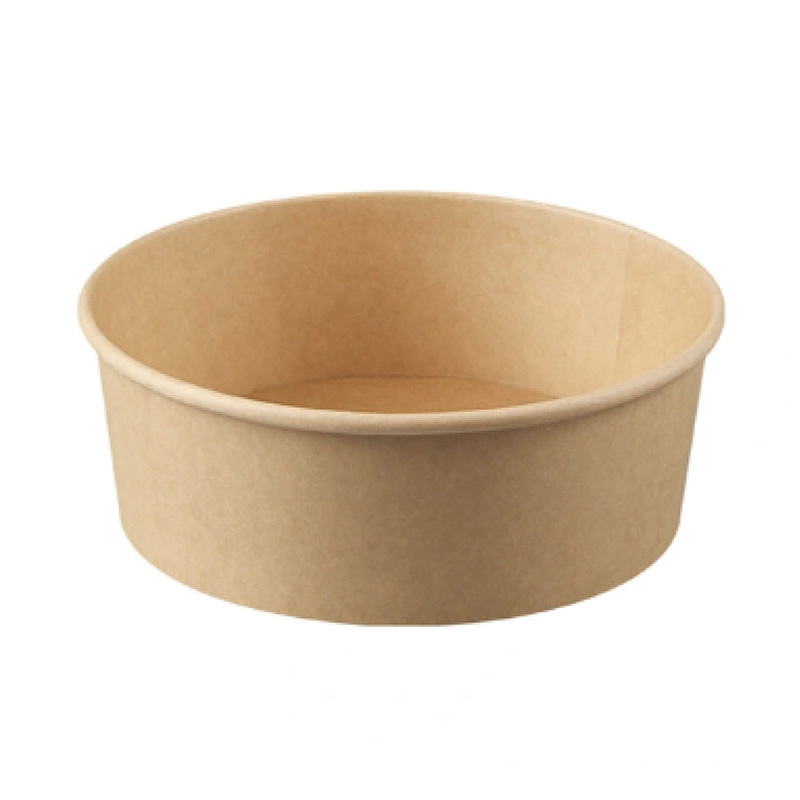
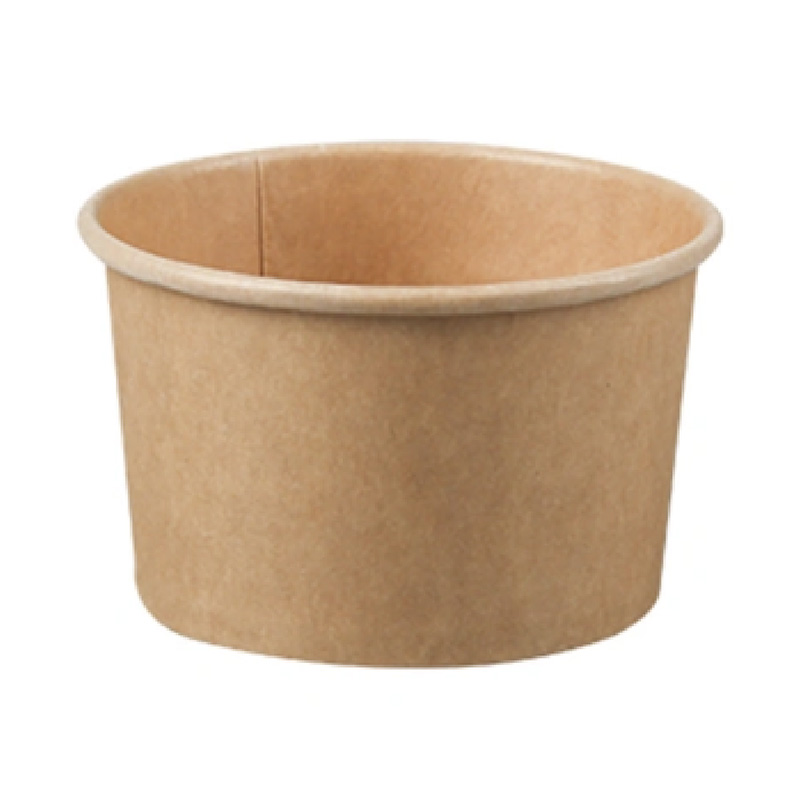
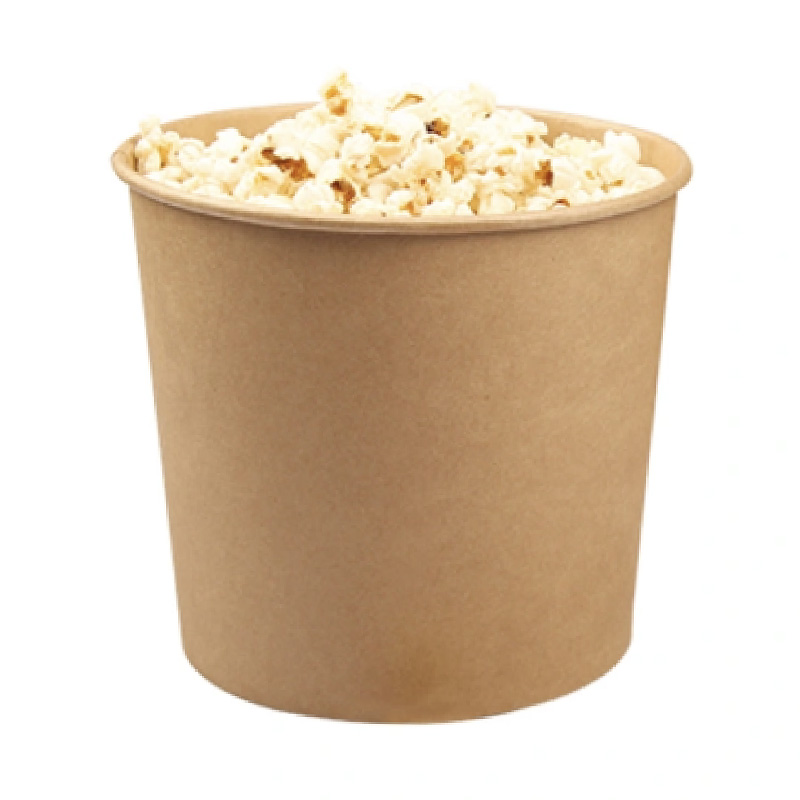
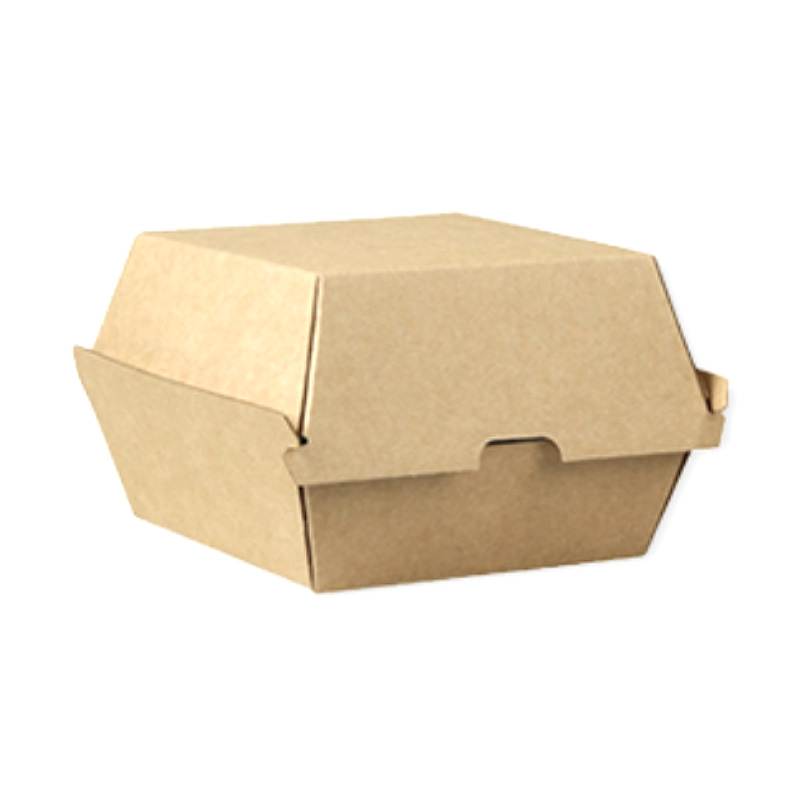
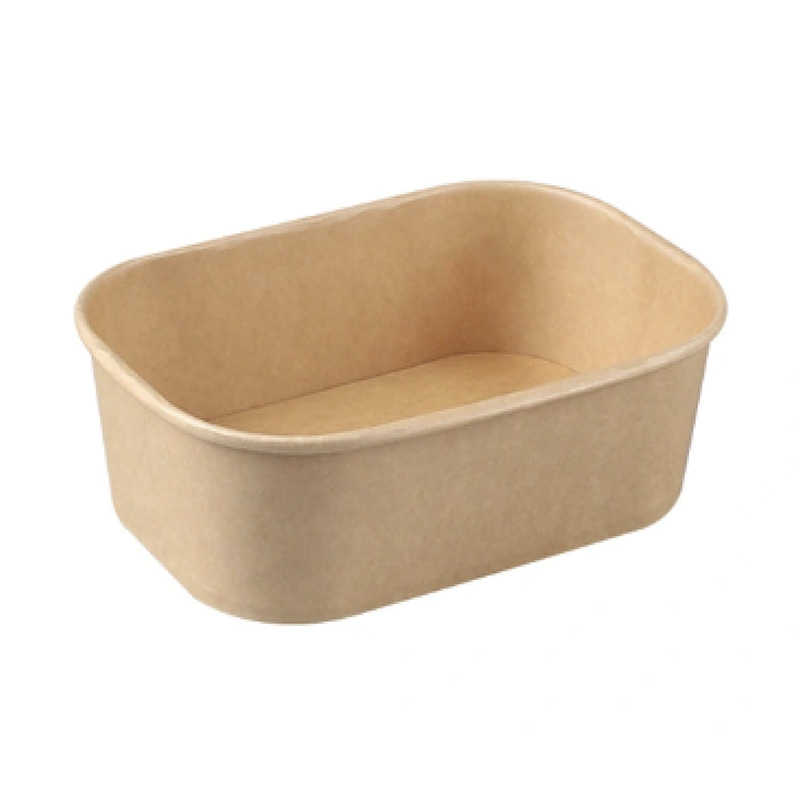
Wholesale paper food boxes provide a convenient starting point for many small businesses. These pre‑made containers are generally available in common sizes, materials, and coating types, making them easy to procure quickly without lengthy design cycles. Many wholesale boxes are produced in kraft, white, or bamboo paperboard and can include grease‑resistant coatings suitable for hot, cold, or mixed food items. Some even offer PE, PP, or PLA layers, balancing durability and moisture protection.
However, the trade‑off for convenience is obvious: these general‑purpose boxes may not perfectly fit your menu items or brand image. A mismatched size can cause leakage, spills, or wasted space, which affects both the food quality customers receive and your operational efficiency. Additionally, claims of recyclability can sometimes be misleading if the coating materials are not compatible with local recycling programs.
2. Custom Paper Box Packaging: Branding and Performance
Many food brands turn to custom paper box packaging when they want packaging that aligns with their unique identity or specific food requirements. Custom solutions can include:
- Tailored dimensions to match your product
- Branded prints or artwork
- Specialized coatings that balance grease resistance with recyclability
- Structural features like locking lids or compartmentalized trays
These features improve user experience and can elevate perceived value. They are especially beneficial for premium food offerings, curated meal deliveries, or retail products where packaging plays a direct role in brand perception. Custom designs also allow you to provide clearer disposal and recycling instructions, helping reduce the environmental impact your customers associate with your products.
Still, custom packaging usually involves longer lead times and higher upfront costs compared to standard wholesale boxes, making it essential to balance upfront investment with long‑term benefits.
3. Environmental and Regulatory Considerations
Environmental regulations increasingly influence food packaging decisions. National and international frameworks aimed at reducing single‑use plastics and improving sustainability are being enacted, with some policies restricting additives like per‑ and polyfluoroalkyl substances (PFAS) in food contact materials. In the European market, new regulations are pushing packaging producers to eliminate certain harmful substances and meet minimum recycled content targets.
China’s revised national standards targeting packaging volume and waste further emphasize the need for more thoughtful designs that minimize material usage and enhance recyclability.
As sustainability becomes increasingly important to consumers, choosing packaging materials and designs—whether wholesale or custom—that reduce environmental harm and comply with regulatory standards can support both brand value and operational compliance.
4. Functional Performance: Matching Material and Use Case
Performance matters as much as appearance and cost. Many food products involve grease, moisture, or high heat. Without the right material and barrier treatment, paper boxes can become soggy, lose structural integrity, or transfer oil to customers’ hands.
Wholesale boxes sometimes offer generic resistance coatings, but for specialized food items like saucy dishes or soups, custom paper box packaging can be engineered with specific greaseproof treatments or moisture barriers tailored to your product. These technical decisions affect shelf life, heat retention, and stacking stability during transport.
5. Recycling Realities and Consumer Education
Customers frequently assume that paper food boxes are automatically recyclable. However, recycling outcomes depend on local waste management infrastructure and specific material compositions. Paperboard coated with PE may not be accepted in all recycling facilities even if marketed as recyclable.
A thoughtful packaging strategy includes clear information on disposal instructions, possibly printed directly on your box design if you choose custom options. Educating your customers about what can and cannot be recycled enhances your sustainability credentials and reduces confusion at disposal points.
Make Choices That Support Your Goals
Whether you lean toward wholesale options for simplicity and cost or invest in custom paper box packaging to enhance function and brand identity, your decision should align with your operational needs, product type, and long‑term business goals. Both paths have unique advantages: wholesale boxes offer accessibility and fast restocking, while custom boxes unlock design flexibility and customer differentiation.
At Zhejiang Richpak Technology Co., Ltd., we support food businesses in navigating these choices—helping brands find packaging that balances performance, sustainability, and customer experience. Thoughtful packaging decisions today can reduce waste, enhance satisfaction, and strengthen your brand in a competitive market.

Quick Links
Contact Information
Tel :+86-577-68638886
Phone :+86-13732041077
Fax:+86-577-68628876
Email :[email protected]
Add : No,.1299 Keji Road, Longgang City, Wenzhou City, Zhejiang Province, China
Contact Information
Copyright © Zhejiang Richpak Technology Co., Ltd.

Custom Cake Paper Cups