

 English
 中文简体
中文简体 русский
 Español
 عربى
عربى
Why Do Paper Cups Stick Together in Busy Cafés
2026-02-13
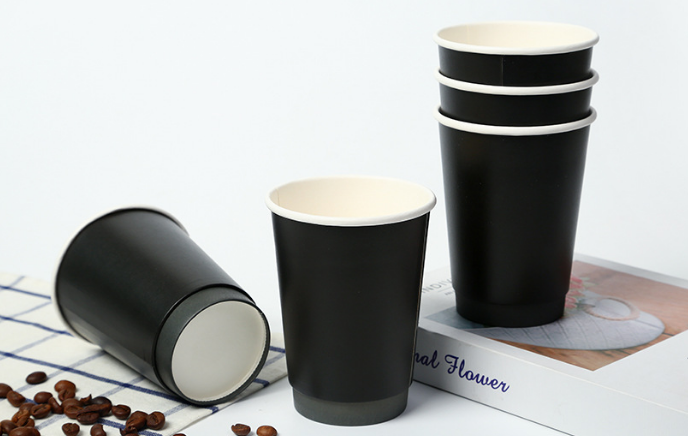
Understanding why double wall paper coffee cups sometimes stick together may seem like a small detail, but this issue can affect workflow efficiency, customer experience, and even output quality in a coffee cup factory or café setting. Behind the scenes, this problem exposes how material choice, stacking techniques, and manufacturing tolerances all influence daily operations—and why buyers and baristas alike pay close attention to cup performance.
In fast-paced coffee environments—especially during morning rush hours—baristas often stack hundreds of cups for easy grabbing. Yet users and staff have reported that cup walls sometimes cling tightly when pulled from a stack, slowing down service and even causing occasional spills. This sticky feeling isn’t random; it stems from the very design that makes these cups insulating and convenient.
What Causes Cup Adhesion?
One of the main reasons double-walled paper coffee cups stick together is the trapped air and vacuum effect between the layers. When cups are nested and tightly stacked, the narrow space between them can trap air. As baristas try to separate cups, the absence of quick air equalization can create a slight vacuum that makes the cups cling, particularly with thicker double-wall constructions. This effect gets more pronounced in humid or warm conditions, where air pressure imbalances are more noticeable.
Additionally, the adhesive used to bond paperboard layers or the texture of the paperboard itself may increase friction between surfaces. Multi-layered structures designed for better insulation can also inadvertently cause higher surface contact and friction, contributing to the sticking problem. With a large stack to pull from, even slight adhesion can significantly disrupt service speed and consistency in busy cafés.
How Manufacturing Influences Cup Separation
Not all double-walled paper coffee cups behave the same. Much depends on how they’re engineered and produced in the coffee cup factory. Manufacturing quality factors that impact stackability include:
Material finish: A too-smooth finish might increase surface contact, while a slightly textured paperboard may separate more easily.
Glue application: Uneven adhesive application or over-application can cause surfaces to bond more strongly than intended.
Air gap precision: Proper spacing between layers not only affects insulation but also influences how air moves in and out of stacked cups.
At Zhejiang Richpak Technology Co., Ltd., quality control teams audit production lines to maintain consistent air gap tolerances and minimize excess adhesive. This helps ensure that cups separate more easily on café shelves without compromising insulation and strength.
Real World Complaints and Operational Impact
Across barista communities and supplier reviews, practitioners often share operational challenges with poorly performing cups. These include:
Time delays in service because cups require physical peeling apart before use.
Disruption during high-volume periods as staff struggle to keep orders moving.
Potential spills when baristas accidentally knock over cups while wrestling with stubborn stacks.
These anecdotes may seem informal, but they reflect real frustrations that affect efficiency and customer satisfaction. Streamlining cup separation isn’t just a convenience; in busy retail or hospitality environments, even minor inefficiencies can compound over hundreds of orders per shift.
Balancing Design and Functionality
Designing double wall paper cups that both insulate well and separate easily requires careful balance. Too much focus on insulation can inadvertently cause tougher stacking performance. Conversely, prioritizing easy separation might reduce thermal efficiency. A quality coffee cup factory understands this balance and implements tests during production that simulate real-life usage. These tests help refine material choices and bonding techniques to deliver a product that performs well in both areas.
Tips for Baristas and Purchasers
Businesses that rely on disposable cups can take proactive steps to reduce the sticking problem:
Test sample batches before large orders, checking for stack separation performance in real service scenarios.
Communicate with suppliers about specific operational conditions (e.g., humidity, temperature, staff routines) so manufacturers can adjust material selection or production processes.
Train staff in gentle separation techniques or introduce ergonomics that reduce strain and spill risks.
Avoid overstacking: Keeping smaller stacks that are replenished regularly can reduce the effect of vacuum pressure between cups.
An informed café owner recognizes that packaging performance is not just about branding or insulation—it’s about smooth daily operations and barista satisfaction.
While the issue of cups sticking together might seem minor, it touches on deeper operational, manufacturing, and sustainability challenges. Whether you run a café or source products for one, understanding why double wall cups behave the way they do—and how a quality coffee cup factory manages production—can help you choose products that support both service efficiency and customer experience. With thoughtful selection and clear communication with suppliers, many of these everyday hurdles can be greatly reduced.


Quick Links
Contact Information
Tel :+86-577-68638886
Phone :+86-13732041077
Fax:+86-577-68628876
Email :[email protected]
Add : No,.1299 Keji Road, Longgang City, Wenzhou City, Zhejiang Province, China
Contact Information
Copyright © Zhejiang Richpak Technology Co., Ltd.

Custom Cake Paper Cups