

 English
 中文简体
中文简体 русский
 Español
 عربى
عربى
Are Disposable Paper Buckets Truly Compostable
2026-05-29
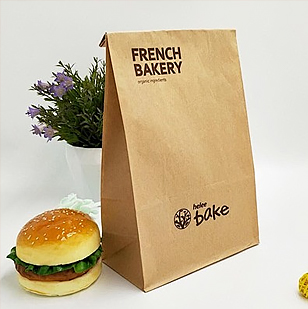
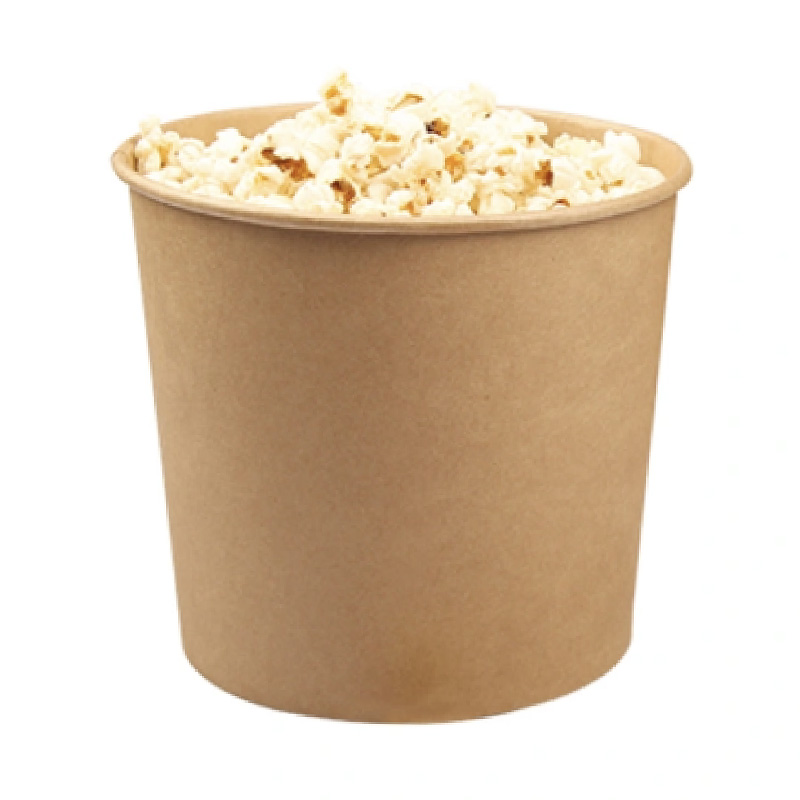
Disposable packaging is rapidly shifting toward fiber-based alternatives, especially in the food service industry. Products like Paper Buckets For Food and Disposable Paper Buckets are widely used for fried chicken, popcorn, snacks, and takeout meals. However, the question of whether these items are truly compostable is more complex than it appears.
We focus on sustainable food packaging solutions, and we often receive this question from clients who want both performance and environmental compliance. The answer depends on material structure, coating type, and composting conditions.
Material Structure Determines Compostability
- Most disposable paper buckets use food-grade kraft paper combined with a barrier coating
- Common coatings include PE (polyethylene), PLA (polylactic acid), or aqueous dispersion layers
- Only certain coating systems allow true industrial composting
Technically, kraft paper itself is biodegradable, but the coating layer often determines the final environmental outcome. According to packaging material research, PLA-coated paper can break down under industrial composting conditions, while PE-lined structures are much slower to degrade or are not accepted in compost facilities .
Compostability of Paper Buckets for Food Applications
Paper Buckets For Food are designed for hot meals, oily snacks, and takeaway use. To resist grease and moisture, manufacturers typically apply barrier coatings.
Key performance features include:
- Oil resistance up to 120–150°C food temperature range
- Thickness usually 230–350gsm base paper
- Coating weight is often 12–40gsm depending on barrier level
- Leak resistance is achieved through laminated or dispersion coating
Some products labeled compostable may still rely on industrial composting systems, meaning they require controlled temperature and humidity conditions to break down effectively.
Why Disposable Paper Buckets Are Not Always Fully Compostable
Even though Disposable Paper Buckets are marketed as eco-friendly, several factors limit full compostability:
- PE-coated buckets do not naturally biodegrade in compost systems
- Mixed material structures (paper + plastic film) have slow decomposition
- Ink and adhesives may contain non-compostable additives
- Home composting systems lack the temperature needed for breakdown
In practical waste management systems, only certified compostable materials (often PLA or water-based coatings) are accepted in industrial facilities.
Industrial Composting vs Home Composting Reality
Understanding compostability standards is essential:
- Industrial composting: 55–65°C controlled environment, microbial acceleration
- Home composting: lower temperature, slower decomposition rate
- Landfill conditions: limited oxygen, very slow degradation
PLA-coated paper can break down within industrial composting cycles, while PE-laminated paper buckets may persist much longer. This difference often leads to confusion in “eco-friendly” labeling.
Engineering Approach from Our Company
We design packaging solutions that balance performance and environmental compliance:
- Use FSC-certified kraft paper as a base material
- Offer PLA-coated compostable structures upon request
- Optimize coating thickness to reduce plastic content
- Develop water-based barrier alternatives for grease resistance
- Provide OEM customization for different food applications
Our engineering goal is to reduce composite layers while maintaining durability for hot and oily food packaging.
Key Technical Comparison
- Kraft paper base: fully biodegradable
- PLA coating: compostable under industrial conditions
- PE coating: non-compostable in standard facilities
- Aqueous coating: improving biodegradability potential
- Multi-layer structure: strongest barrier but lowest compostability
These differences directly affect whether a product qualifies as truly compostable or only recyclable.
Market Reality of Compostable Claims
Industry research and field feedback show that many fiber-based food containers labeled as “compostable” depend heavily on certification scope. Some products meet industrial standards but still fail in real-world composting due to collection system limitations.
A common misunderstanding is assuming all paper-based packaging automatically decomposes, which is not accurate due to barrier coatings and additives.

Quick Links
Contact Information
Tel :+86-577-68638886
Phone :+86-13732041077
Fax:+86-577-68628876
Email :[email protected]
Add : No,.1299 Keji Road, Longgang City, Wenzhou City, Zhejiang Province, China
Contact Information
Copyright © Zhejiang Richpak Technology Co., Ltd.

Custom Cake Paper Cups