

 English
 中文简体
中文简体 русский
 Español
 عربى
عربى
Salad bowl manufacturer develops rectangular bowl designs for food service use
2026-06-05
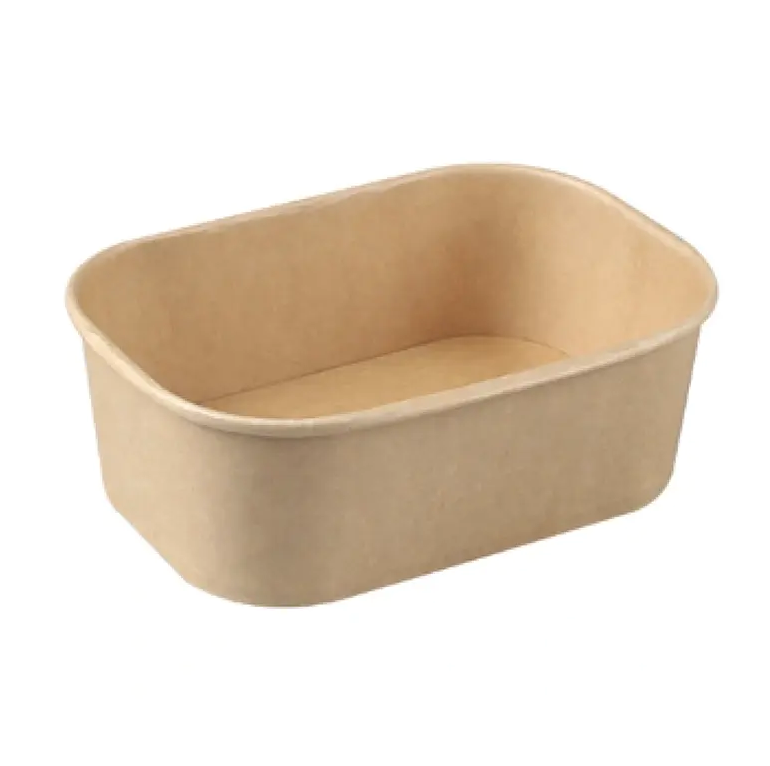
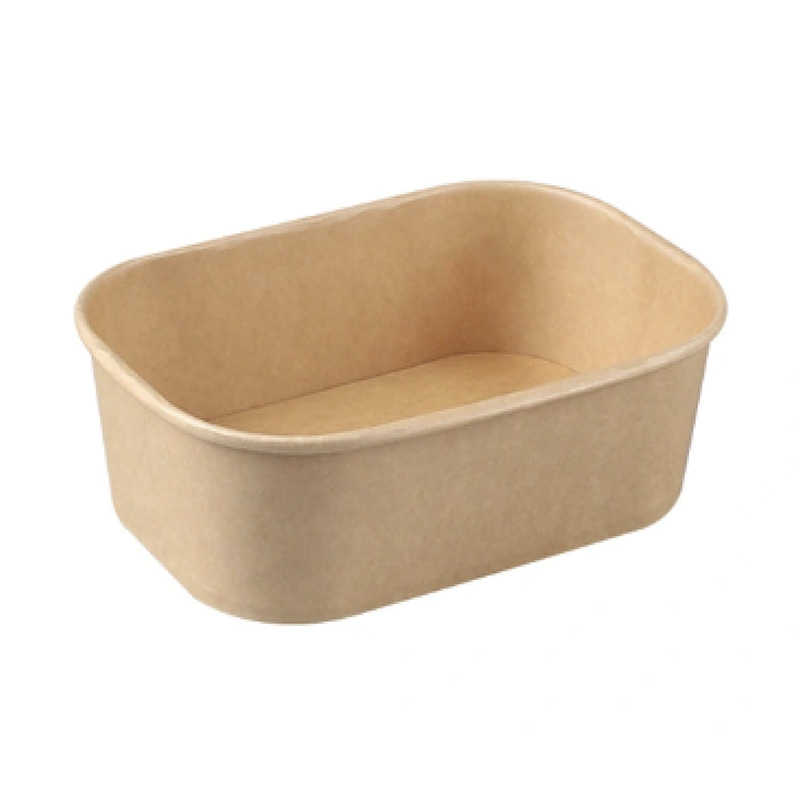
Food service packaging continues to evolve as operational needs shift across takeaway, catering, and prepared meal sectors. Within this development, the salad bowl manufacturer industry has been exploring new structural formats, and the Rectangle Bowl design has become a practical focus due to its adaptability in storage, transport, and serving applications.
Changing requirements in food service packaging
Packaging in food service environments is no longer limited to basic food containment. It is increasingly expected to support handling efficiency, space utilization, and stable transport performance. As food delivery and meal preparation services expand, container design is being evaluated based on how well it fits operational workflows.
Round containers have been widely used for a long time, but they may create unused space during storage and transport. This has encouraged interest in rectangular structures that can align more effectively with packaging boxes and storage systems.
Development focuses on the rectangular bowl design
The Rectangle Bowl structure provides a different approach to container layout. Its straight edges allow more efficient arrangement in cartons, storage shelves, and transport systems. This helps reduce irregular spacing and supports more organized handling in commercial environments.
From the salad bowl manufacturer's perspective, development efforts are centered on functional performance rather than appearance. Key design considerations include structural stability, stacking ability, and compatibility with sealing lids. These factors directly influence usability in daily food service operations.
Structural and functional considerations
Rectangular bowl development requires attention to corner strength and overall balance. Unlike circular designs, stress distribution is concentrated at edges, so reinforcement becomes important. This helps maintain container shape during filling, stacking, and transport.
Lid fitting is another key factor. A secure seal helps maintain the food's condition during delivery and storage. Rectangular designs often require precise lid alignment to ensure consistent closure performance.
Stackability also plays an important role. Containers that stack evenly can improve storage organization in kitchens and warehouses. This supports smoother workflow management, especially in environments with high packaging volume.
Material selection and usage conditions
Material choice influences both durability and usability. Common materials include PP and PET plastics, which provide a balance between weight and structural strength. Some applications also consider recyclable or biodegradable materials based on sustainability preferences.
Temperature resistance is another consideration. Containers may need to perform under cold storage or moderate heat conditions, depending on the food type. This requires materials that maintain shape and function across different environments.
Transparency or surface finish can also affect usability. Clear containers improve food visibility, while opaque or textured finishes may be used for different presentation needs.
Application in food service environments
The Rectangle Bowl format is suitable for multiple food service scenarios. In takeaway services, it supports efficient packing and transport. In catering environments, rectangular containers help organize multiple servings for easier handling.
Meal preparation services also benefit from rectangular shapes due to refrigerator organization efficiency. Containers can be arranged neatly, helping users manage portioned meals more effectively.
Packaging workflow integration
In addition to product design, compatibility with packaging systems is an important factor. Rectangular containers can align with standard carton dimensions, reducing unused space during transport and storage.
This alignment can also support more consistent packaging processes in commercial kitchens. When container sizes are uniform, it becomes easier to organize packing operations and manage inventory.
Automation compatibility is another consideration in some environments. Standardized shapes can support more efficient packing lines where consistent container dimensions are required.
Design direction and industry development
The salad bowl manufacturer's approach to rectangular bowl development reflects a broader shift toward practical packaging solutions. Rather than focusing on decorative features, attention is placed on usability, durability, and workflow efficiency.
The Rectangle Bowl continues to be explored as part of this development direction, particularly in applications where storage efficiency and transport organization are important. As food service systems continue to expand and diversify, packaging design is expected to follow similar functional priorities.

Quick Links
Contact Information
Tel :+86-577-68638886
Phone :+86-13732041077
Fax:+86-577-68628876
Email :[email protected]
Add : No,.1299 Keji Road, Longgang City, Wenzhou City, Zhejiang Province, China
Contact Information
Copyright © Zhejiang Richpak Technology Co., Ltd.

Custom Cake Paper Cups