

 English
 中文简体
中文简体 русский
 Español
 عربى
عربى
Salad bowl manufacturer reviews durable materials for reusable salad containers
2026-06-12
Reusable packaging has become a key focus in food service and retail environments as usage habits shift toward longer-lasting container solutions. In this context, the salad bowl manufacturer sector is placing greater attention on material performance, while the Rectangle Bowl format is increasingly used as a reference design for reusable salad and meal containers due to its practical structure and storage advantages.
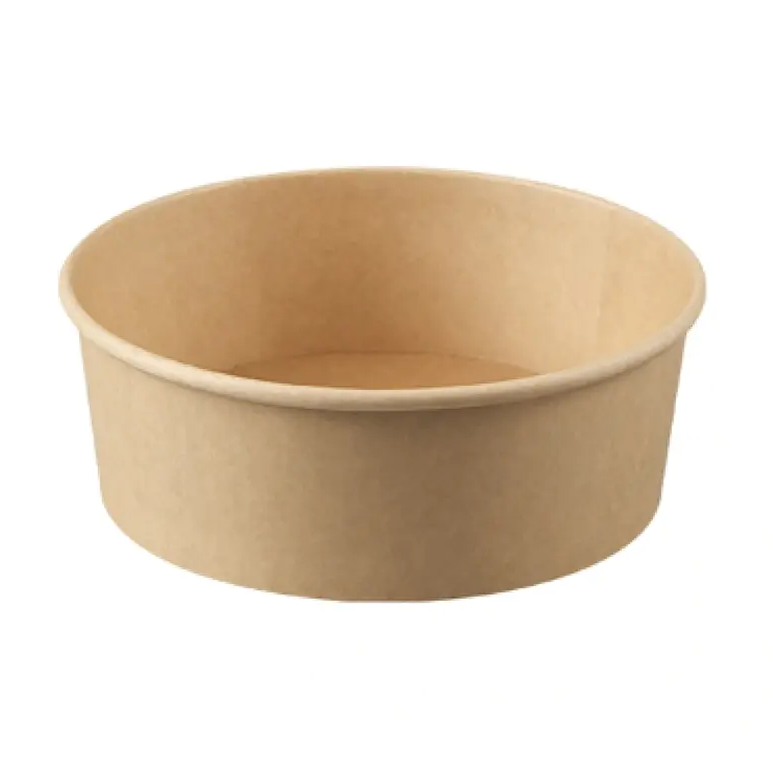
Growing attention on reusable container performance
Food packaging is no longer viewed only as a single-use solution in many applications. Reusable containers are being considered for meal preparation, restaurant service, and retail packaging systems. This shift places more importance on durability, cleaning compatibility, and long-term usability.
Consumers and food operators are paying closer attention to how containers perform after repeated use. As a result, material selection has become a central part of product development discussions.
Material durability as a core evaluation factor
For reusable salad containers, durability is one of the main factors influencing product suitability. The Rectangle Bowl structure is often evaluated in terms of how well it maintains shape and function after repeated handling and cleaning cycles.
The salad bowl manufacturer approach to material evaluation typically includes resistance to cracking, surface wear, and deformation. Containers must maintain structural integrity under repeated use conditions, including refrigeration, washing, and stacking.
Heat and cold resistance are also considered important. Reusable containers may be exposed to different temperature environments depending on food storage requirements. Materials that remain stable under these conditions are generally preferred for long-term use scenarios.
Common material options for reusable containers
Several material categories are commonly used in reusable salad containers. PP plastic is widely applied due to its balance between weight and durability. It is often selected for everyday food storage and takeaway reuse systems.
Tritan-style materials and similar transparent plastics are also used in applications where clarity and presentation are important. These materials are typically chosen for retail and home-use packaging where food visibility adds convenience.
Glass and stainless steel options are also present in certain segments. These materials are generally associated with longer lifecycle use and higher durability requirements, although they may involve different handling considerations due to weight.
Safety and usage considerations
Food contact safety is a key requirement for reusable packaging. Materials used in Rectangle Bowl containers must comply with food-grade standards to ensure safe contact with different types of food, including acidic or oily items.
In addition to safety, ease of cleaning is another important factor. Containers designed for repeated use should support simple washing processes, including dishwasher compatibility where applicable. Smooth surface finishes can help reduce residue buildup and support hygienic maintenance.
Odor and stain resistance are also considered in material evaluation. Reusable containers are expected to maintain appearance and neutrality after repeated exposure to different food types.
Structural design and long-term usability
The rectangular structure offers practical advantages in reusable container systems. Straight edges allow more efficient stacking and storage, which is useful in both household and commercial environments. The Rectangle Bowl design is often used in organized meal preparation systems where space efficiency is important.
From the salad bowl manufacturer perspective, structural durability is closely linked to wall thickness, edge reinforcement, and overall container balance. These design factors influence how well the container performs under repeated use and stacking pressure.
Lid sealing performance also contributes to usability. A stable closure system helps maintain food freshness and prevents leakage during transport or storage. This is especially important in reusable systems where containers may be carried frequently.
Application in meal preparation and retail systems
Reusable salad containers are widely used in meal preparation environments. The rectangular shape supports organized portioning and allows containers to fit neatly into refrigerators and storage shelves. This helps users manage weekly meal plans more efficiently.
In retail environments, reusable container sets are sometimes offered as part of packaged meal systems. The Rectangle Bowl format supports consistent presentation and simplifies packaging alignment across product lines.
Restaurant environments may also explore reusable packaging systems for dine-in or takeaway services, depending on operational models and customer preferences.
Material trends and development direction
Material development in reusable packaging continues to evolve alongside sustainability considerations and operational needs. The salad bowl manufacturer focus remains on balancing durability, safety, and usability across different usage environments.
The Rectangle Bowl structure is expected to remain relevant in this development process due to its practical advantages in storage, stacking, and transport. Future material improvements may continue to emphasize long-term performance, cleaning efficiency, and structural stability across repeated use cycles.

Quick Links
Contact Information
Tel :+86-577-68638886
Phone :+86-13732041077
Fax:+86-577-68628876
Email :[email protected]
Add : No,.1299 Keji Road, Longgang City, Wenzhou City, Zhejiang Province, China
Contact Information
Copyright © Zhejiang Richpak Technology Co., Ltd.

Custom Cake Paper Cups