

 English
 中文简体
中文简体 русский
 Español
 عربى
عربى
Are Paper Food Buckets Safe to Microwave
2026-05-08
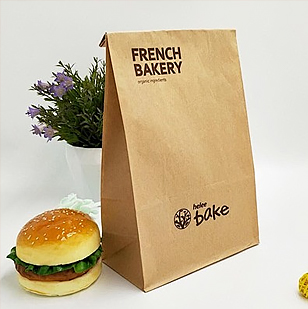
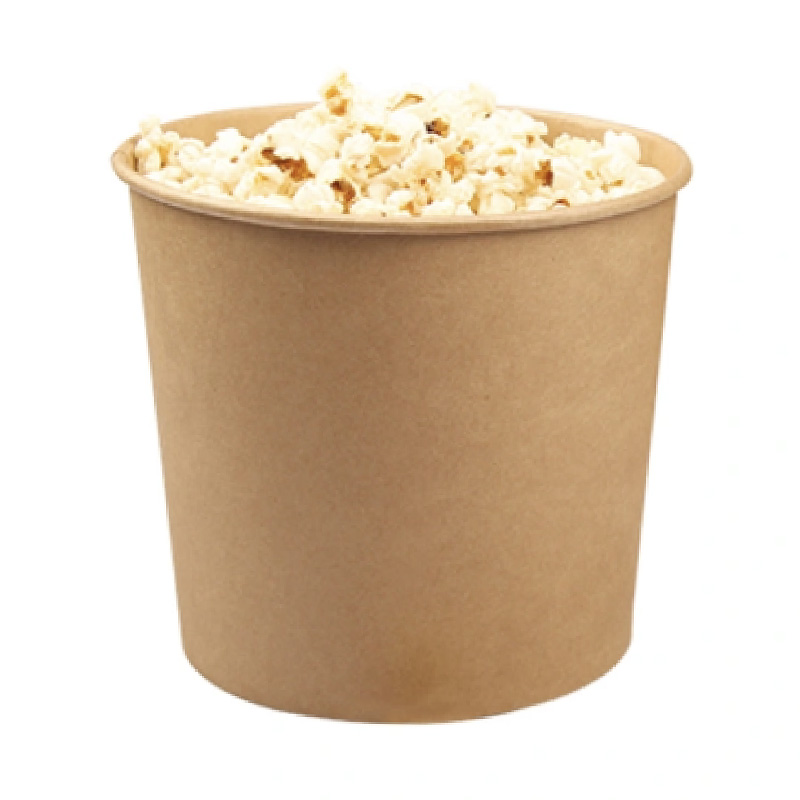
Microwave safety of packaging is a growing concern in modern foodservice operations. Many food brands and restaurants rely on Paper Buckets For Food for fried snacks, noodles, and takeaway meals, while Disposable Paper Buckets are widely used for convenience, branding, and portion control. At the same time, questions arise about whether these containers can safely handle microwave heating without structural failure or chemical migration.
We manufacture food packaging solutions, and we focus on designing paper-based containers that balance performance, safety, and sustainability.
1. Microwave Safety Depends on Structure and Coating
- Paper fiber itself is generally stable under short microwave heating because the moisture in food prevents overheating of the material
- Risk usually comes from coatings such as polyethylene (PE), wax, or chemical grease barriers
- Some coatings soften or release residues under heat, especially above 80–100°C
- Microwave-safe paper products typically avoid unstable plastic films and use certified food-grade layers
2. Material Composition Used in Safe Paper Buckets
Our company focuses on controlled material selection:
- Food-grade virgin kraft paper (natural cellulose fiber)
- Water-based or PLA bio-coating for moisture resistance
- No metallic inks or aluminum elements
- Heat tolerance is typically designed for 100°C–120°C short exposure
Such structures are commonly recommended for food packaging designed for reheating applications
3. Structural Performance During Heating
- Thickness range: 230–350 gsm paperboard for stable rigidity
- Double PE or PLA lining prevents leakage during hot food storage
- Edge crimping and rolled rims improve deformation resistance
- Typical safe microwave duration: 1–2 minutes at medium power
Poorly constructed containers may warp, soften, or collapse under steam pressure.
4. Chemical Migration and Food Safety Concerns
- High heat may accelerate the migration of additives from coatings into food
- LDPE-coated surfaces may release nano-level particles under repeated heating conditions
- Ink stability is critical; low-quality printing may transfer pigments under heat
- Certified food-contact materials reduce migration risks significantly
We strictly control printing inks and adhesives in production lines to maintain compliance with international food safety requirements.
5. Microwave Usage Limitations You Should Know
- Do not microwave containers with metallic staples or foil seals
- Avoid extended heating cycles beyond 3–4 minutes
- Do not use paper buckets that are only wax-coated without microwave testing
- Always ensure food contains moisture to prevent overheating of paper fibers
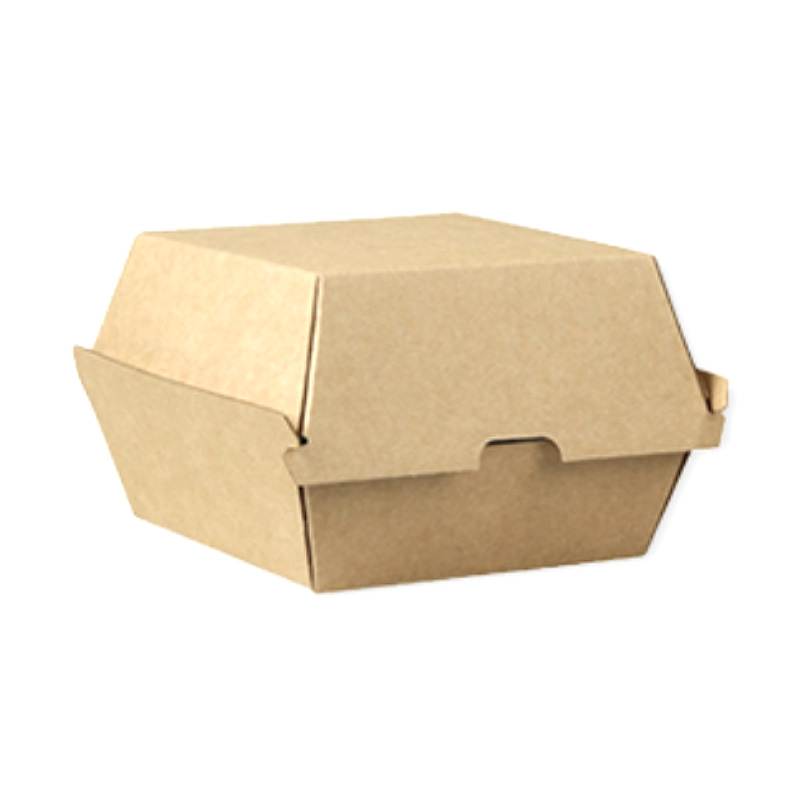
6. Differences Between Food Buckets and Paper Boxes
- Paper buckets: thicker walls, more suitable for oily foods and soups
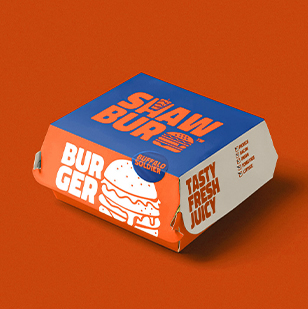
- Paper boxes: flatter structure, more prone to softening under steam
- Buckets often include reinforced bottoms for heavier loads
- Boxes usually prioritize stacking efficiency over heat resistance
Both require proper coating technology to ensure microwave compatibility.
7. Safety Testing Standards We Follow
Our production process includes:
- Heat resistance testing at 100°C steam exposure
- Microwave simulation cycles for deformation checking
- Grease resistance testing using hot oil contact
- Migration testing for ink and adhesive safety
Only batches passing all tests are released for food-contact packaging.
8. Practical Usage Recommendations for Businesses
- Use microwave heating only for short reheating, not cooking
- Transfer high-fat or high-sugar foods to a ceramic if the heating time is long
- Store products in dry conditions to preserve coating integrity
- Choose certified suppliers instead of generic low-cost packaging
9. Sustainability and Modern Packaging Trends
- Demand for eco-friendly food containers is increasing globally
- PLA-based coatings are replacing traditional plastic laminations
- Recycling-friendly paper structures are becoming standard in many markets
- Lightweight design reduces transport emissions and cost
At Rich Packaging, we continuously develop recyclable and biodegradable solutions aligned with food safety expectations.

Quick Links
Contact Information
Tel :+86-577-68638886
Phone :+86-13732041077
Fax:+86-577-68628876
Email :[email protected]
Add : No,.1299 Keji Road, Longgang City, Wenzhou City, Zhejiang Province, China
Contact Information
Copyright © Zhejiang Richpak Technology Co., Ltd.

Custom Cake Paper Cups