

 English
 中文简体
中文简体 русский
 Español
 عربى
عربى
Why Do Paper Cups Still End Up in Landfills
2026-05-01
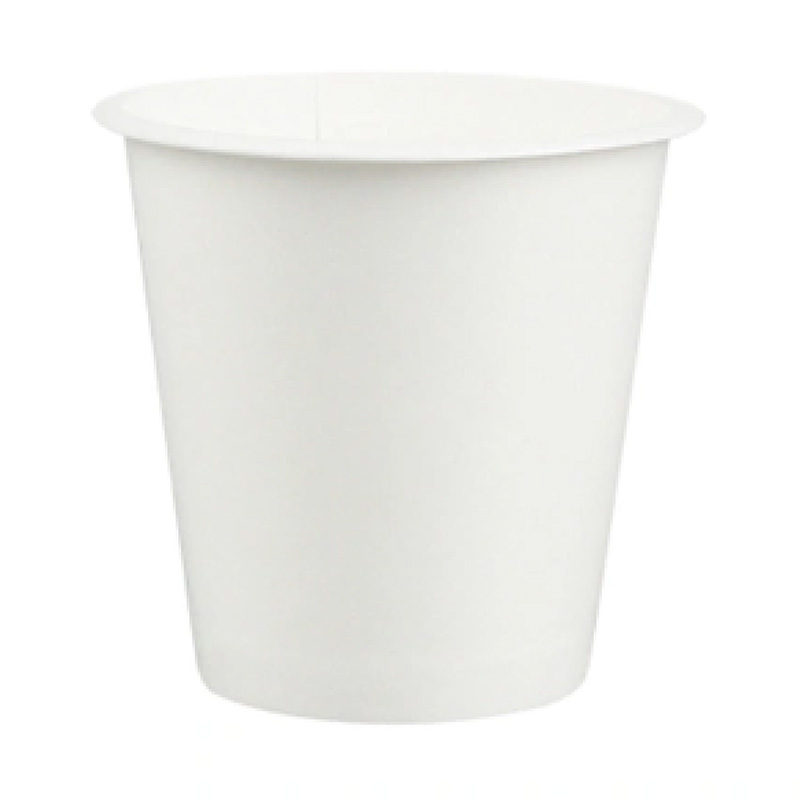
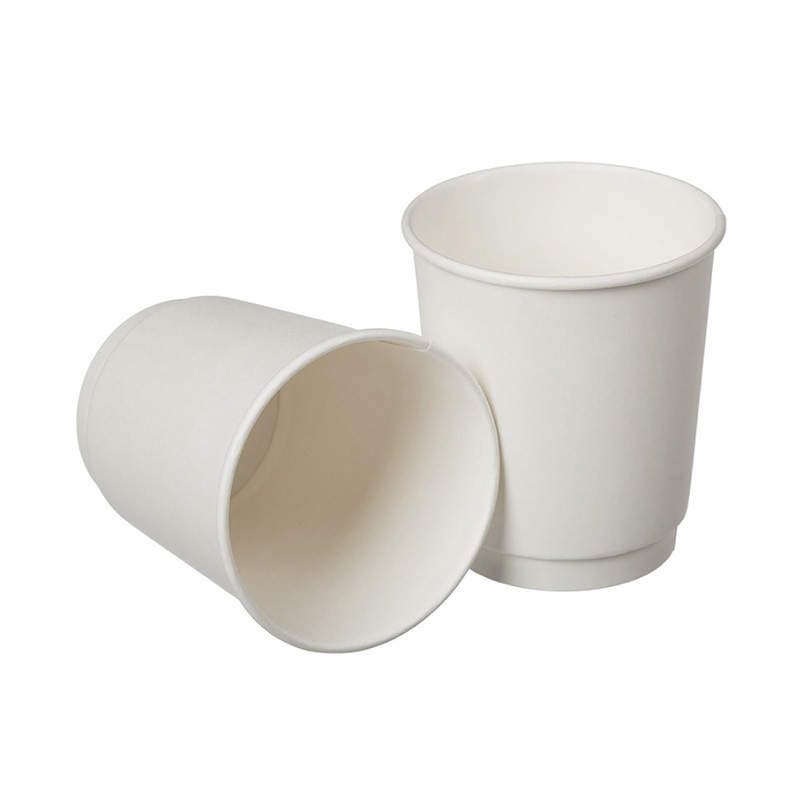
Sustainable beverage service has led many businesses and consumers to adopt eco-friendly paper cups and corrugated paper cups. Despite these efforts, a surprising number of cups still find their way into landfills rather than being recycled or composted. This issue is less about the cups themselves and more about the interaction between material design, waste infrastructure, and human behavior. Understanding these dynamics is essential for improving the environmental impact of disposable cups.
Material Challenges in Recycling
While paper cups are largely composed of paper fibers, the coatings and adhesives necessary for liquid containment present recycling obstacles:
Plastic and PLA coatings: Even plant-based PLA coatings can be difficult for standard paper recycling facilities to process, particularly if local technology is not compatible.
Corrugated layers: While corrugated paper cups are structurally stronger, their multiple layers can complicate separation during pulping.
Mixed materials: Printing inks and glues used for branding can introduce contamination into recycling streams.
These technical limitations mean that many cups, despite being marketed as recyclable or compostable, cannot be processed effectively in existing systems.
Infrastructure and Collection Gaps
Recycling and composting systems vary widely by region:
Limited acceptance: Many municipal programs do not accept coated paper cups in curbside recycling.
Industrial composting requirement: PLA-coated or compostable cups typically need industrial composting facilities to fully degrade. Home composting is often insufficient.
Sorting challenges: Contamination with food residue or liquids can lead cups to be rejected even in facilities designed to accept them.
Without robust collection and processing systems, recyclable cups often follow the path of least resistance—landfill disposal.
Consumer Behavior and Awareness
User practices play a critical role:
Confusion about disposal: Consumers are often unsure whether cups are recyclable, compostable, or should be thrown in general waste.
Improper disposal: Even if a cup is technically recyclable, throwing it into the wrong bin negates its eco-friendly potential.
Short-term convenience vs long-term impact: Single-use cups are convenient but lack follow-up actions to ensure proper end-of-life processing.
Clear labeling and public education can help reduce these issues, but gaps remain.
Manufacturer Contributions
Producers like Zhejiang Richpak Technology Co., Ltd. focus on designing cups that align with both performance and environmental goals:
Optimized coatings: Thin, water-dispersible barriers make cups easier to recycle.
Material selection: Using recyclable paper and adhesives compatible with pulping enhances circularity.
Product testing: Simulating real-world disposal scenarios helps improve post-use recoverability.
By innovating on both materials and design, manufacturers can improve the likelihood that eco-friendly cups actually complete their intended lifecycle.
Systemic Solutions
Addressing landfill accumulation requires coordinated efforts:
Expanded industrial composting: More facilities capable of handling PLA and corrugated cups.
Collection programs in cafes and events: Segregating cups at the source improves processing success.
Public education campaigns: Informing consumers about the environmental value of correct disposal.
Product labeling: Clear instructions on whether a cup is recyclable, compostable, or both.
When these measures work together, eco-friendly cups have a much higher chance of completing a sustainable lifecycle.
Why Do Paper Cups Still End Up in Landfill?
Even with advances in eco-friendly paper cups and corrugated paper cups, many factors contribute to their continued disposal in landfills: complex material composition, insufficient infrastructure, and consumer confusion. Companies like Zhejiang Richpak Technology Co., Ltd. are actively addressing these challenges through better materials, design innovations, and education efforts. Reducing landfill waste requires a combination of responsible manufacturing, effective recycling systems, and informed consumer behavior.

Quick Links
Contact Information
Tel :+86-577-68638886
Phone :+86-13732041077
Fax:+86-577-68628876
Email :[email protected]
Add : No,.1299 Keji Road, Longgang City, Wenzhou City, Zhejiang Province, China
Contact Information
Copyright © Zhejiang Richpak Technology Co., Ltd.

Custom Cake Paper Cups