

 English
 中文简体
中文简体 русский
 Español
 عربى
عربى
Are Chemicals in Paper Cups Safe for Drinks
2026-04-24
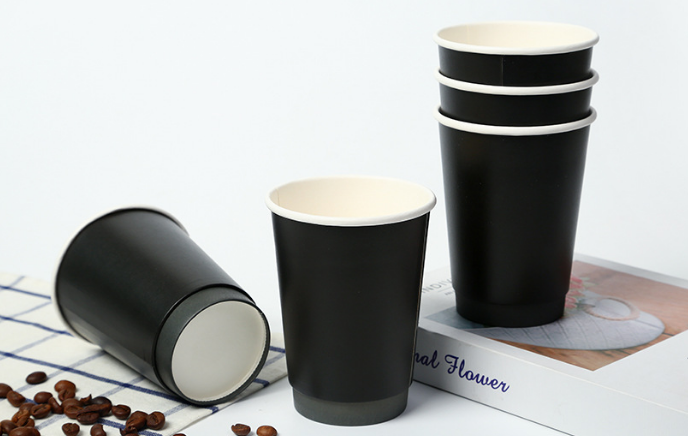
Recent trends in sustainable packaging have placed eco-friendly paper cups and corrugated paper cups at the forefront of environmentally conscious beverage service. While these cups are designed to reduce plastic use and landfill waste, a common question persists among consumers and industry professionals: are the chemicals used in these cups safe for hot and cold drinks? Understanding the materials, regulatory compliance, and manufacturing practices is crucial for both businesses and everyday users.
Materials and Coatings in Paper Cups
Traditional paper cups often use polyethylene (PE) layers to prevent leakage, while eco-friendly alternatives employ various biodegradable or water-based coatings:
PLA (Polylactic Acid) coatings: Derived from renewable plant resources, PLA acts as a barrier to liquids and is generally recognized as safe for food contact.
Water-based dispersions: These coatings provide leak resistance without relying on plastics.
Adhesives and inks: Food-safe glues and soy-based inks are used in branding and structural bonding.
Corrugated paper cups, which add insulation and rigidity through multiple layers, may contain similar coatings and adhesives but with an emphasis on reducing overall chemical load while maintaining structural integrity.
Regulatory Standards Ensuring Safety
Compliance with food safety standards is essential:
FDA (U.S.) and EFSA (EU) regulations: Specify permissible materials for direct food contact.
ISO 22000 and HACCP certification: Ensure manufacturers follow strict hygiene and safety protocols.
Testing for chemical migration: High-temperature exposure tests verify that coatings do not leach harmful substances into beverages.
Companies like Zhejiang Richpak Technology Co., Ltd. routinely test their products to meet or exceed these requirements, ensuring consumer safety and regulatory compliance.
Potential Chemical Concerns
Despite advances, some concerns remain:
Migration of chemicals: Improperly formulated coatings can release trace amounts of substances when exposed to hot liquids.
Additives in inks or glues: Non-food-safe additives may contaminate beverages if used incorrectly.
Unregulated suppliers: Some low-cost manufacturers may cut corners, compromising safety.
Choosing products from certified manufacturers reduces these risks significantly.
Practical Considerations for Consumers
Even with safe materials, usage practices can influence chemical exposure:
Avoid leaving hot drinks in cups for extended periods, as prolonged heat can increase migration risk, even in safe materials.
Opt for cups labeled BPA-free, FDA-approved, or explicitly food-safe.
Check that printed designs or logos use non-toxic inks suitable for food contact.
Comparison: Eco-Friendly vs. Traditional Cups
Traditional PE-lined cups: Durable but contain plastics that may release small amounts of chemicals when exposed to high temperatures.
Eco-friendly paper cups: Utilize plant-based coatings or water-based barriers, significantly reducing chemical exposure.
Corrugated paper cups: Provide structural insulation with minimal reliance on coatings, making them even safer under normal use.
These differences highlight that material innovation directly impacts both consumer safety and environmental outcomes.
Environmental and Safety Synergy
Selecting eco-friendly and corrugated paper cups ensures both safety and sustainability:
Reduced plastic use: Lowers chemical exposure for consumers and environmental impact.
Recyclable or compostable materials: Minimize waste while keeping cups free from harmful substances.
Manufacturer responsibility: Reputable suppliers, like Zhejiang Richpak Technology Co., Ltd., integrate safety testing with environmental compliance, offering cups that meet dual objectives of health and sustainability.
Are Paper Cup Chemicals Safe for Drinks?
High-quality eco-friendly paper cups and corrugated paper cups from certified manufacturers are safe for everyday hot and cold beverage use. Understanding materials, adherence to food safety standards, and mindful consumption practices ensures both user safety and environmental benefits. By prioritizing verified, responsibly produced cups, businesses and consumers can reduce chemical exposure while supporting sustainable packaging solutions.

Quick Links
Contact Information
Tel :+86-577-68638886
Phone :+86-13732041077
Fax:+86-577-68628876
Email :[email protected]
Add : No,.1299 Keji Road, Longgang City, Wenzhou City, Zhejiang Province, China
Contact Information
Copyright © Zhejiang Richpak Technology Co., Ltd.

Custom Cake Paper Cups