

 English
 中文简体
中文简体 русский
 Español
 عربى
عربى
Do Paper Cups Leak or Deform with Hot Drinks
2026-04-17
Many cafes, offices, and event organizers are turning to eco-friendly paper cups and corrugated paper cups as alternatives to traditional disposable plastics. While these cups are promoted as sustainable, a common concern among users is their performance with hot beverages. Leaks, warping, or structural failure can occur, impacting both consumer experience and environmental outcomes if cups are discarded prematurely.
Paper Cup Design for Heat Resistance
Several design factors determine whether a paper cup can safely hold hot drinks:
Paper weight (grammage): Higher-density paper (210–300 g/m² for single-wall cups) resists warping under heat. Lower-density cups are prone to softening and deformation.
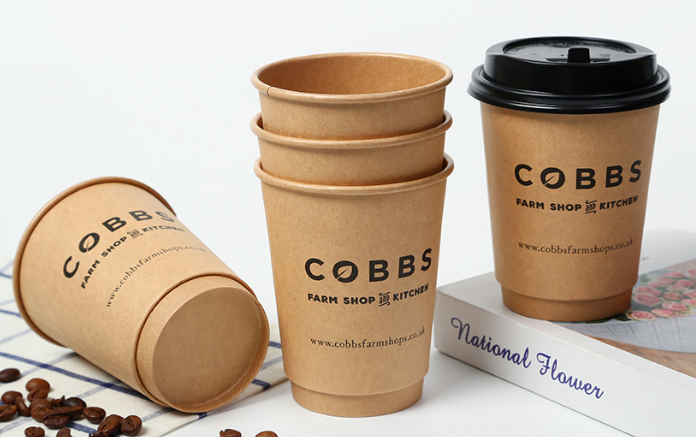
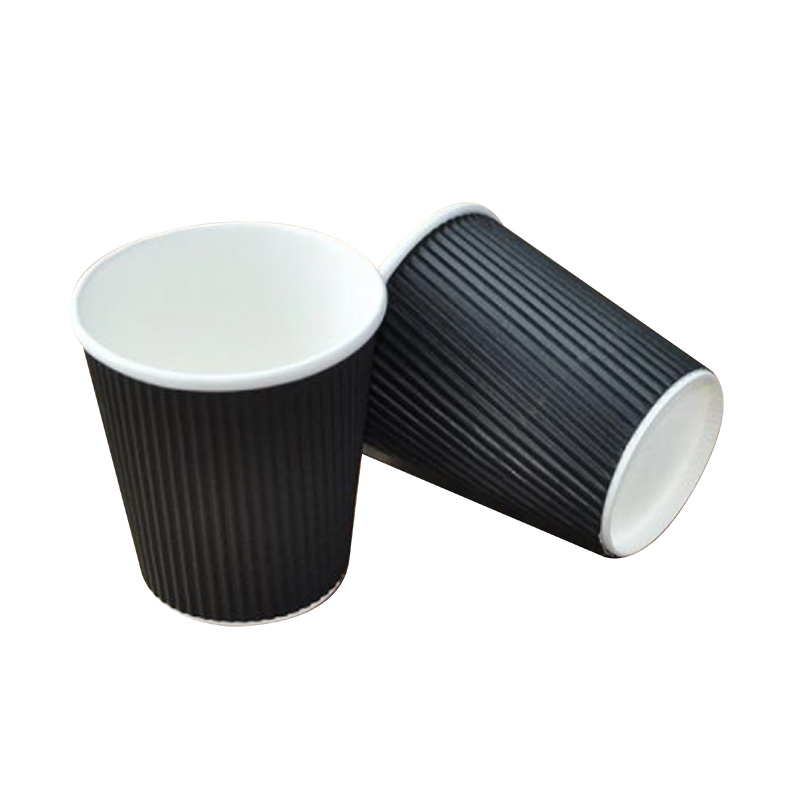
Wall construction: Single-wall cups are lightweight and economical but less rigid. Double-wall or corrugated cups incorporate air gaps for insulation, which reduces heat transfer to the user’s hand and maintains cup integrity.
Coating materials: Coatings like PLA (polylactic acid) or thin PE layers prevent leakage. Eco-friendly coatings are designed to balance liquid resistance with recyclability.
Corrugated paper cups, in particular, integrate multiple paper layers or fluted structures that increase stiffness without relying on excessive material. This makes them ideal for serving hot drinks above 70°C, such as lattes, cappuccinos, or herbal teas.
Factors Contributing to Leakage or Warping
Even well-designed cups can fail under certain conditions. Common causes include:
Low-quality paper: Inexpensive paper can absorb moisture and lose structural integrity.
Hot beverage temperature: Near-boiling liquids accelerate softening, particularly in thin or single-wall cups.
Seam integrity: Poor gluing or uneven seams allow liquid to seep through, leading to leaks.
Prolonged holding: Cups left filled for extended periods may lose shape or collapse.
Stacking pressure: Cups stacked too tightly during storage can deform, making them prone to leaks when used.
Technical Solutions from Manufacturers
Manufacturers like Zhejiang Richpak Technology Co., Ltd. employ several strategies to ensure reliable hot beverage performance:
Double-wall and corrugated designs: These improve thermal insulation and reduce heat transfer to hands.
Precision gluing and sealing: Food-safe adhesives ensure seams hold under temperature and pressure variations.
Optimized coating thickness: PLA or PE coatings are applied thinly and evenly to prevent leaks without reducing recyclability.
Quality testing: Thermal stress tests simulate real-world usage to identify potential weaknesses before products reach the market.
Some corrugated paper cups are also designed with a textured outer layer, improving grip and further reducing the risk of spills during transport.
User Tips for Better Performance
Even the best cups benefit from proper handling:
Avoid overfilling: Leaving a small gap at the top reduces pressure on seams and prevents spills.
Use fitted lids: Secure lids help maintain cup shape and prevent leaks.
Mind stacking: Store cups flat or in moderate stacks to prevent deformation before use.
Select corrugated or double-wall cups for very hot drinks: This ensures both insulation and durability.
Environmental Implications
Choosing high-quality eco-friendly cups has additional benefits:
Reduced waste: Durable cups reduce the likelihood of early disposal caused by leaks.
Material efficiency: Corrugated cups often use less total material while maintaining strength.
Sustainability alignment: Combining reliable performance with recyclable or compostable coatings supports circular economy goals.
Zhejiang Richpak Technology Co., Ltd. has optimized cup designs to balance performance, user safety, and environmental responsibility, ensuring that eco-friendly paper cups and corrugated paper cups remain both practical and sustainable.

Quick Links
Contact Information
Tel :+86-577-68638886
Phone :+86-13732041077
Fax:+86-577-68628876
Email :[email protected]
Add : No,.1299 Keji Road, Longgang City, Wenzhou City, Zhejiang Province, China
Contact Information
Copyright © Zhejiang Richpak Technology Co., Ltd.

Custom Cake Paper Cups