

 English
 中文简体
中文简体 русский
 Español
 عربى
عربى
Can Compostable Paper Cups Break Down at Home
2026-04-10
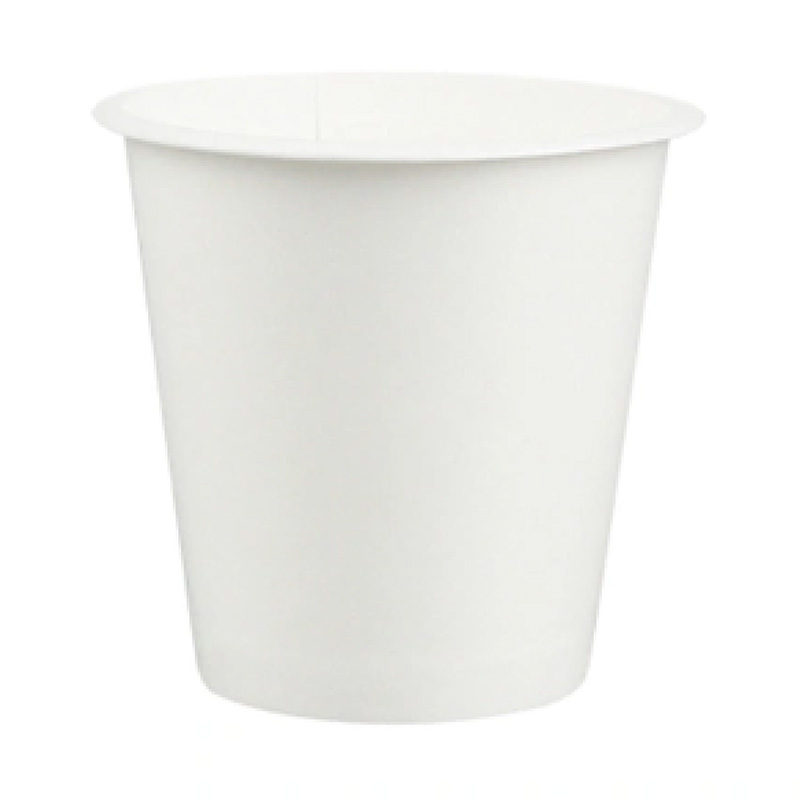
Sustainable alternatives to traditional drinkware have gained significant attention, with eco-friendly paper cups and corrugated paper cups becoming common choices for environmentally conscious consumers and businesses. A frequent question in forums, social media groups, and sustainability discussions is whether these cups truly decompose in a typical household environment. Understanding the materials, composting conditions, and practical limitations can help users make informed decisions and reduce unnecessary waste.
Materials Behind Compostable Paper Cups
Unlike standard paper cups coated with polyethylene, compostable paper cups generally feature:
PLA (Polylactic Acid) coating: Derived from renewable sources such as corn starch, PLA enables the cup to biodegrade under specific conditions.
Water-based barriers: Some cups use natural polymers or coatings that dissolve in moisture.
Sustainably sourced paper fibers: Often certified by FSC or similar organizations to ensure environmental responsibility.
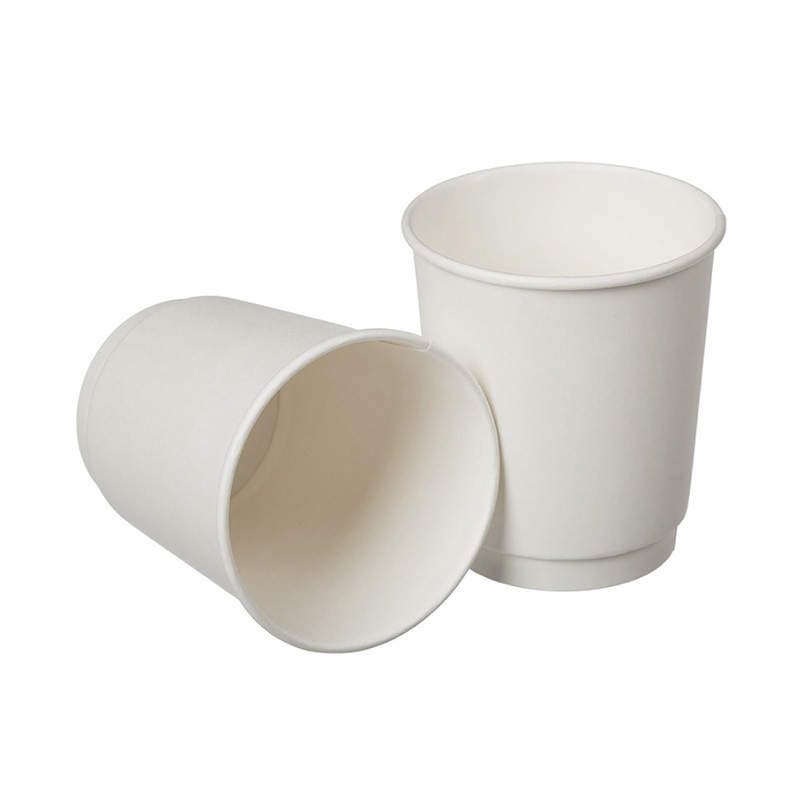
Corrugated paper cups, which incorporate multiple paper layers for insulation, can also include compostable adhesives or coatings. This structure provides strength and thermal resistance while aiming for environmental friendliness.
Home Composting vs Industrial Composting
A key distinction lies between home and industrial composting:
Industrial Composting:
Facilities maintain higher temperatures (around 55–70°C), controlled moisture, and active microbial populations. more PLA-coated eco-friendly paper cups are designed to break down under these conditions within a few months fully.
Home Composting:
Typical home compost bins do not reach industrial temperatures consistently. Cups in these settings may take significantly longer to decompose or may leave small plastic-like residues, particularly if the coating is thick.
Tips for Enhancing Composting at Home
Even if a cup is labeled as compostable, certain steps improve decomposition in a backyard setting:
Shred cups before disposal: Breaking down the paper layers increases surface area for microbes.
Maintain moisture: Composting microbes require damp conditions.
Mix with organic waste: Combine cups with fruit peels, vegetable scraps, and leaves to create balanced compost.
Monitor temperature: Placing compost piles in sunny areas can help elevate temperature and accelerate breakdown.
Zhejiang Richpak Technology Co., Ltd. has engineered some of its corrugated paper cups with thinner PLA coatings and natural adhesives, making them better suited for home composting experiments compared to heavily coated alternatives.
Environmental Considerations
Although compostable cups are designed to reduce landfill accumulation, it’s important to consider the broader environmental impact:
Energy for production: PLA and specialized coatings require energy and agricultural resources.
End-of-life processing: Without proper composting, cups may still occupy landfill space.
Water use and microbial balance: Home compost systems must maintain the right conditions to prevent partial decomposition or odors.
Balancing Convenience and Sustainability
Eco-friendly and corrugated paper cups offer practical solutions for cafes, offices, and events, yet users should align expectations with reality:
Short-term usage: Suitable for serving beverages without a heavy environmental impact.
Long-term management: Encourage industrial composting where available or optimize home composting practices.
Awareness campaigns: Clear labeling and educational materials help consumers understand proper disposal.
Can Compostable Paper Cups Break Down at Home?
Home composting of eco-friendly paper cups and corrugated paper cups is possible but slower and less predictable than industrial processes. By combining mindful disposal, proper bin management, and choosing thoughtfully designed products, households can contribute to reducing waste. Companies like Zhejiang Richpak Technology Co., Ltd. continue innovating product lines that are more compatible with home composting, providing consumers with practical, greener alternatives.

Quick Links
Contact Information
Tel :+86-577-68638886
Phone :+86-13732041077
Fax:+86-577-68628876
Email :[email protected]
Add : No,.1299 Keji Road, Longgang City, Wenzhou City, Zhejiang Province, China
Contact Information
Copyright © Zhejiang Richpak Technology Co., Ltd.

Custom Cake Paper Cups