

 English
 中文简体
中文简体 русский
 Español
 عربى
عربى
Custom Cold Drink Cups Adapt to Changing Beverage Packaging Needs
2026-10-02
The demand for custom cold drink cups is becoming more closely connected with practical packaging needs across cafés, beverage chains, takeaway businesses, catering services, and event operators. As iced coffee, smoothies, juices, and other cold beverages remain important in on-the-go consumption, buyers are paying more attention to cup structure, lid compatibility, branding, material selection, and shipping efficiency rather than treating cups as a simple disposable item.
Matching Cup Design With Beverage Applications
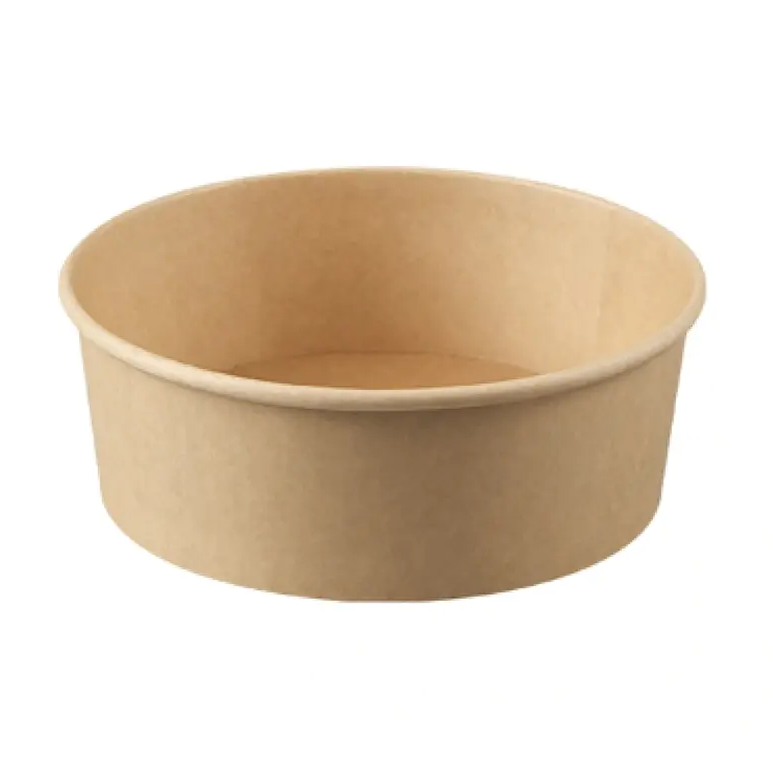
A cold beverage cup needs to perform well throughout filling, transport, serving, and consumption. Clear cups may suit drinks where visual presentation matters, while paper-based formats can support businesses looking for a different packaging appearance. For manufacturers, the key is to match the cup structure with the beverage rather than applying one design across every application. Smoothies, iced coffee, juice, and drinks containing ice can create different requirements for rigidity, sealing, and lid fit.
Lid Compatibility Becomes a Practical Buying Issue
A well-designed cup can still create problems when the lid does not fit securely. Leakage, splashing, poor straw access, or an unstable lid can affect the customer experience and create handling problems for foodservice operators. Cup and lid compatibility should therefore be considered together during product development. Manufacturers can work with buyers on matching diameters, rim structures, drinking openings, and sealing performance to create a more reliable takeaway system.
Branding Moves Beyond Simple Printing
For beverage businesses, the cup is part of the product presentation. Custom printing can help carry a logo, seasonal artwork, promotional message, or visual identity directly into the takeaway experience. Instead of covering the cup with excessive graphics, buyers can focus on clear visual hierarchy and designs that remain recognizable when the cup is filled with ice and condensation. This is particularly useful for independent beverage brands and foodservice businesses developing private-label packaging.
Material Selection Requires Local Disposal Planning
Sustainability is also influencing packaging decisions, but material selection should be based on the actual disposal system available in the target market. Recyclable, compostable, reusable, paper-based, and plastic formats can have different environmental outcomes depending on collection and processing infrastructure. Current packaging discussions increasingly focus on clear disposal communication and whether packaging claims match local recovery systems.
Production Details Affect Bulk Supply
For overseas buyers, customization is not limited to appearance. A suitable supplier should be able to coordinate cup structure, printing requirements, raw material selection, packaging configuration, and quality inspection within the same production process. This helps reduce inconsistencies between samples and bulk orders. From a manufacturing perspective, checking rim formation, surface printing, cup strength, dimensional consistency, and packaging protection before shipment can also reduce avoidable issues during distribution.
Customization Supports Different Beverage Channels
Different sales channels require different cup solutions. A specialty café may focus on brand presentation, while a catering company may prioritize convenient stacking and transport. Event operators may need coordinated cup artwork, while beverage distributors may require packaging that fits existing filling and sealing processes. Custom cold drink cups can therefore be developed around the buyer's actual application instead of forcing every business into a standard format.
Building a More Practical Cup Supply Program
For international buyers, the most useful approach is to discuss the complete application before confirming a cup design. Beverage type, filling process, lid style, branding requirements, material preference, packing method, and destination-market disposal expectations can all affect the final specification. As a manufacturer, we work with buyers to translate these requirements into practical cup structures and production details, helping custom cold drink cups fit real beverage operations rather than simply adding a logo to a standard cup.

Quick Links
Contact Information
Tel :+86-577-68638886
Phone :+86-13732041077
Fax:+86-577-68628876
Email :[email protected]
Add : No,.1299 Keji Road, Longgang City, Wenzhou City, Zhejiang Province, China
Contact Information
Copyright © Zhejiang Richpak Technology Co., Ltd.

Custom Cake Paper Cups