

 English
 中文简体
中文简体 русский
 Español
 عربى
عربى
Cup Design Trends Reshape Custom Cold Drink Cup Purchasing Decisions
2026-09-25
For beverage brands, cafes and foodservice distributors, custom cold drink cups have become an important part of the product presentation rather than a simple container. A well-planned cup needs to accommodate the beverage, communicate the brand and remain practical during everyday service. For overseas buyers, the challenge is finding a design that supports visual branding without creating unnecessary production or operational complications.
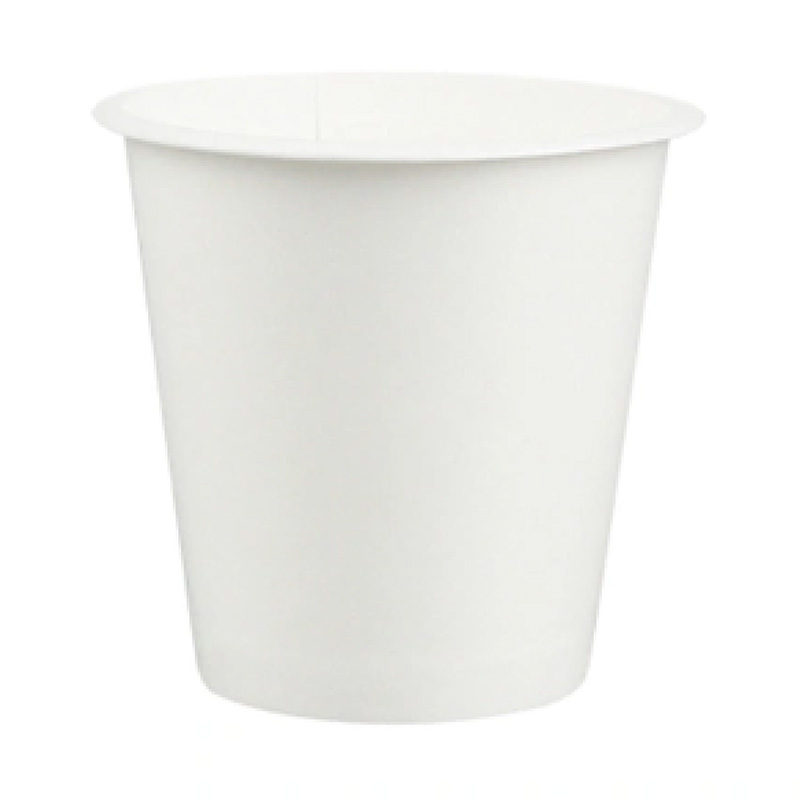
Cup Shape Influences Brand Presentation
Different beverages create different visual requirements. Transparent cups can display colorful drinks, fruit pieces, and layered beverages, while opaque designs can create a more controlled brand appearance.
The cup profile also affects how a logo, product name or promotional graphic is viewed. Buyers should therefore consider the relationship between cup shape and artwork before finalizing a custom design.
Transparent Cups Highlight Beverage Appearance
Clear cold drink cups are widely considered for products where visual presentation contributes to customer appeal. Iced coffee, fruit beverages, milk-based drinks and specialty teas can benefit from visible layers and ingredients.
However, transparency should be evaluated alongside rigidity, surface quality and printing requirements. A visually attractive cup still needs to perform consistently during filling, handling and delivery.
Artwork Placement Requires Practical Planning
A common purchasing mistake is designing artwork without considering the usable printing area. Curved surfaces can affect how graphics appear when viewed from different angles.
Important elements such as logos, product names and regulatory information should be positioned with the cup structure and printing process in mind.
For custom projects, manufacturers can work with buyers on:
- Printable area and artwork positioning.
- Logo size and graphic proportions.
- Color requirements.
- Barcode or product information placement.
- Seasonal or promotional designs.
This preparation can reduce unnecessary artwork revisions before production.
Cup Capacity Should Match Serving Habits
Cup capacity is closely connected with beverage menus and portion planning. A distributor supplying several beverage categories may need multiple cup sizes while maintaining a consistent visual identity.
Instead of selecting capacity based only on market convention, procurement teams should consider actual fill volume, ice content, toppings and lid requirements.
This approach can help brands create a coordinated packaging range without introducing more cup variations than their operations require.
Design and Function Need to Work Together
A visually distinctive cup should still be comfortable to handle and suitable for the intended service environment. Excessively unusual shapes may complicate stacking, storage or lid compatibility.
For high-volume buyers, practical design often means making controlled changes to dimensions, printing and surface appearance while retaining efficient production characteristics.
Customization Supports Private-Label Packaging
Private-label beverage businesses can use customized cups to create a consistent identity across stores, distributors and promotional campaigns. Matching cup graphics with other packaging elements can also make the overall product presentation more recognizable.
For wholesale procurement, it is useful to establish approved artwork and specifications that can be reused for future production rather than recreating the design for every order.
Manufacturer Support From Design to Production
As a manufacturer, we evaluate custom cold drink cups from both branding and production perspectives. Cup shape, capacity, material, printing area, lid compatibility and packing requirements should be considered together before a bulk order is confirmed.
By developing the design around real beverage applications and production conditions, overseas buyers can obtain customized packaging that supports brand presentation while remaining practical for repeated wholesale supply.


Quick Links
Contact Information
Tel :+86-577-68638886
Phone :+86-13732041077
Fax:+86-577-68628876
Email :[email protected]
Add : No,.1299 Keji Road, Longgang City, Wenzhou City, Zhejiang Province, China
Contact Information
Copyright © Zhejiang Richpak Technology Co., Ltd.

Custom Cake Paper Cups