

 English
 中文简体
中文简体 русский
 Español
 عربى
عربى
Dimensional Consistency Becomes a Key Factor in Custom Cold Drink Cup Production
2026-09-18
For beverage chains, distributors and foodservice packaging buyers, custom cold drink cups must do more than carry a brand logo. Small differences in cup diameter, height or rim structure can affect lid fitting, stacking, filling and transportation efficiency. As beverage businesses expand across different markets, procurement teams are paying closer attention to dimensional consistency and production repeatability when selecting a long-term cup supplier.
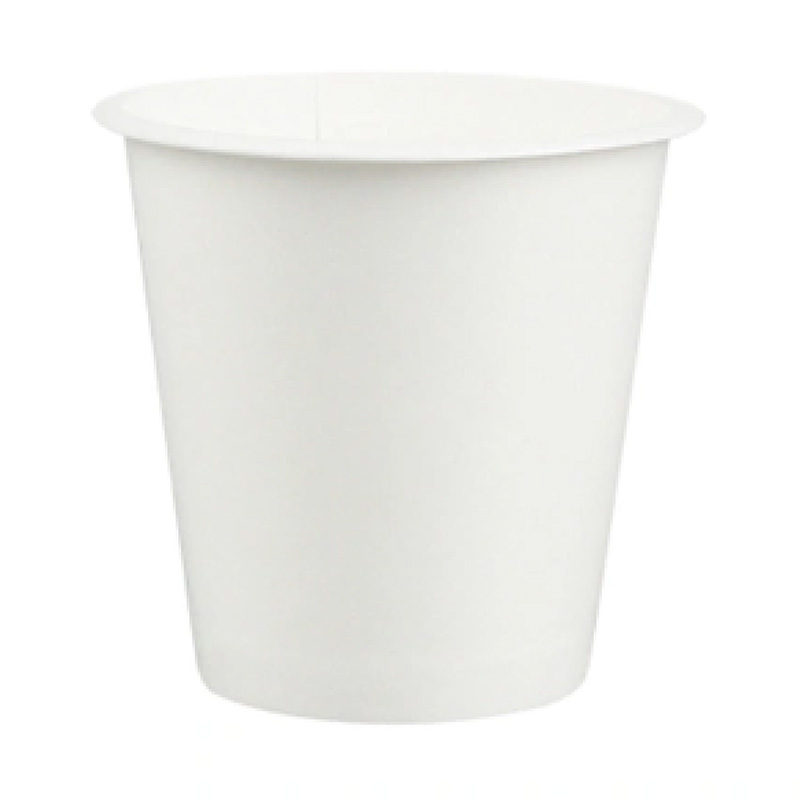
Cup Dimensions Affect the Entire Packaging System
The dimensions of a cold drink cup influence several downstream processes. The rim needs to work with the selected lid, while the base should provide sufficient stability during filling and serving.
If cup dimensions vary between production batches, operators may encounter inconsistent lid fitting or difficulty when cups are stacked for storage. For this reason, dimensional specifications should be confirmed before mass production rather than adjusted after delivery.
Consistent Forming Supports Faster Operations
Many beverage businesses handle cups in large quantities, making consistent forming important for daily operations. Cups with stable shapes are easier to stack, separate and position during manual or automated filling.
From a manufacturing perspective, controlling forming conditions and inspecting finished dimensions at different production stages can help maintain consistency throughout a production run. This allows buyers to achieve more predictable results for repeated wholesale orders.
Rim Design Deserves Procurement Attention
The rim is one of the most functional areas of a disposable beverage cup. It needs to provide a suitable contact surface for the lid while maintaining its shape during handling.
For takeaway drinks, a properly formed rim can also help reduce problems caused by loose or poorly matched lids. Buyers should therefore specify rim dimensions alongside cup capacity instead of purchasing according to volume alone.
Stacking Efficiency Influences Storage Costs
For wholesale customers, thousands of cups may occupy considerable warehouse space before they reach the end user. Stackability can therefore become an important part of packaging planning.
A suitable cup structure should allow stable stacking without making individual cups difficult to separate. Carton packing should also be reviewed together with cup dimensions to create a practical storage and transportation arrangement.
Transportation Places Additional Pressure on Cups
Cold drink cups may pass through several handling stages before reaching a cafe, restaurant or beverage kiosk. Carton compression, vibration and repeated movement can affect cups if the packaging configuration is poorly matched to the product.
Procurement teams can reduce these risks by reviewing carton strength, internal protection and stacking arrangements during the sample stage. Proper packaging planning helps maintain cup quality throughout transportation.
Production Samples Reveal Practical Issues
A pre-production sample gives buyers an opportunity to evaluate more than appearance. We recommend checking several points before confirming a bulk order:
- Rim dimensions and lid fitting.
- Cup height and diameter consistency.
- Stacking and separation performance.
- Resistance to ordinary handling pressure.
- Printing position and surface appearance.
- Carton packing and storage efficiency.
These checks can help identify specification problems before they affect a larger production quantity.
Manufacturer Support for Repeat Wholesale Orders
As a manufacturer, we treat custom cold drink cups as part of a complete packaging specification. Cup forming, dimensions, rim design, printing and packing need to remain coordinated throughout production.
For overseas distributors, beverage brands and foodservice buyers, establishing an approved sample and clear technical specifications provides a practical foundation for repeat orders, helping maintain consistent packaging performance as purchasing volumes grow.


Quick Links
Contact Information
Tel :+86-577-68638886
Phone :+86-13732041077
Fax:+86-577-68628876
Email :[email protected]
Add : No,.1299 Keji Road, Longgang City, Wenzhou City, Zhejiang Province, China
Contact Information
Copyright © Zhejiang Richpak Technology Co., Ltd.

Custom Cake Paper Cups