

 English
 中文简体
中文简体 русский
 Español
 عربى
عربى
Custom Cold Drink Cups Shift Toward Performance, Branding and Packaging Compliance
2026-09-11
The demand for custom cold drink cups is becoming more specification-driven as beverage brands, foodservice distributors and private-label buyers balance visual branding with practical packaging requirements. Recent packaging developments in Europe, including the application of the EU Packaging and Packaging Waste Regulation from August 2026, are also putting greater attention on material selection, recyclability and packaging traceability. For overseas buyers, cup design is no longer simply a printing decision; it needs to fit the beverage, filling process, lid system and target market.
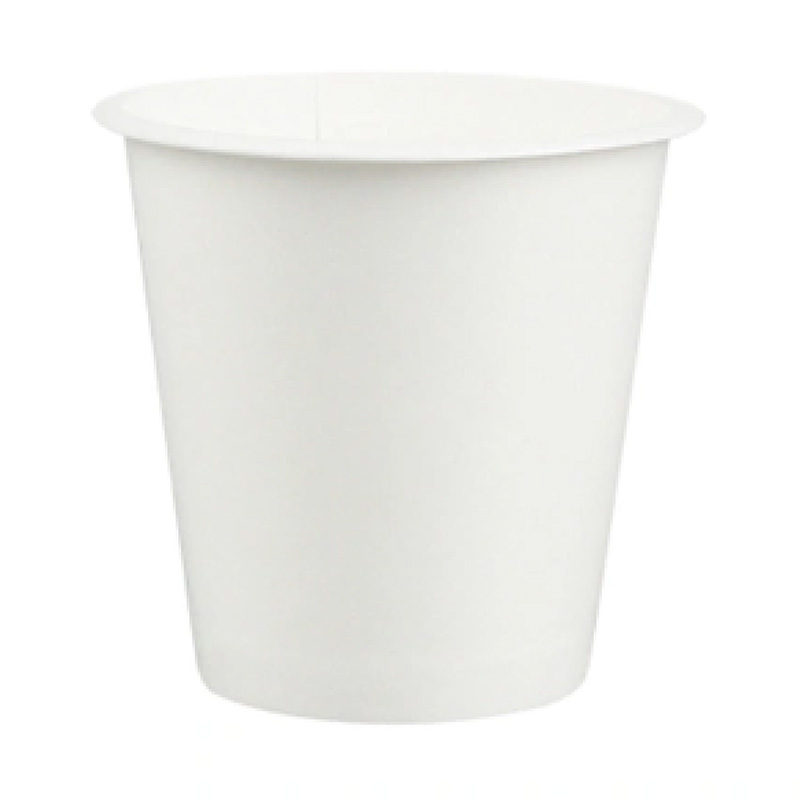
Material Selection Starts With the Beverage
Cold beverages can place different demands on a cup. Iced coffee, fruit drinks, milk tea and carbonated beverages may require different levels of rigidity, clarity and moisture resistance. PET, rPET, PP and paper-based structures each have different processing and end-use characteristics.
For procurement teams, selecting the material according to the actual drink and filling environment can reduce leakage, deformation and unnecessary material costs. Understanding beverage characteristics before ordering helps buyers choose a suitable cup structure for their applications.
Cup Clarity Supports Product Presentation
For transparent cold drink packaging, visual clarity directly affects how the beverage is presented at the point of sale. Clear cups are useful for layered drinks, fruit pieces, colorful beverages and drinks topped with ice.
As a manufacturer, we recommend evaluating transparency together with wall strength and forming consistency rather than treating appearance as an isolated specification. Balanced performance helps cups maintain both attractive presentation and practical usability during transportation and service.
Custom Printing Needs Production Control
Brand graphics can involve multiple colors, logos, promotional messages and seasonal designs. However, printing quality also depends on the cup material, ink compatibility, printing process and artwork preparation.
Buyers ordering custom printed cold drink cups should confirm the printable area, artwork format, color expectations and sample approval process before mass production. This helps prevent mismatched branding between production batches.
Important printing considerations include:
- Cup surface suitability for printing.
- Color consistency requirements.
- Artwork file preparation.
- Sample confirmation before bulk production.
Lid Compatibility Should Be Confirmed Early
A cup is part of a complete beverage packaging system. The rim dimensions need to match the selected lid, while the sealing performance should suit takeaway handling and delivery conditions.
For high-volume foodservice operations, standardized cup-and-lid compatibility can also simplify purchasing and warehouse management. In European markets, packaging regulations are placing additional attention on single-use beverage packaging and material compliance.
Sustainable Options Require Specific Documentation
Sustainability claims should be connected to actual material specifications rather than general marketing language. Buyers may request recyclable, recycled-content or alternative-material options depending on their target market.
When sourcing custom cold drink cups wholesale, procurement teams should ask manufacturers for clear information about material composition, applicable certifications and intended disposal routes instead of relying only on terms such as “eco-friendly.”
Key documentation may include:
- Material composition details.
- Food-contact compliance information.
- Recycled content specifications where applicable.
- Packaging and disposal guidance.
Bulk Orders Benefit From Better Specification Planning
For distributors, restaurant groups and beverage chains, the purchasing challenge is often consistency across repeated orders. A practical specification sheet can improve communication between purchasing, design and production teams.
Important specification items include:
- Cup material and capacity.
- Rim diameter and lid type.
- Printing method and artwork requirements.
- Packaging quantity and carton configuration.
- Sample approval requirements.
- Applicable food-contact documentation.
A clear specification reduces communication gaps and helps maintain stable production results for wholesale orders.
Manufacturer Support From Sampling to Production
As a manufacturer, we approach custom cold drink cups as a packaging project rather than a simple printed-cup order. Material selection, cup forming, printing, lid matching, packaging and quality inspection should be coordinated before production begins.
This approach gives overseas buyers a clearer path from prototype approval to repeat wholesale orders while keeping the finished cup aligned with beverage presentation, operational requirements and target-market packaging expectations.


Quick Links
Contact Information
Tel :+86-577-68638886
Phone :+86-13732041077
Fax:+86-577-68628876
Email :[email protected]
Add : No,.1299 Keji Road, Longgang City, Wenzhou City, Zhejiang Province, China
Contact Information
Copyright © Zhejiang Richpak Technology Co., Ltd.

Custom Cake Paper Cups