

 English
 中文简体
 русский
 Español
 عربى

Food Paper Buckets for Better Portion Control and Consistent Serving
2026-10-23
For takeaway restaurants, cinemas, snack brands, and foodservice distributors, packaging affects both serving efficiency and customer experience. A bucket that holds too much or too little food can disrupt portion control, while an awkward opening can slow down filling and serving. Choosing suitable paper buckets for food helps businesses match container capacity with menu requirements, simplify daily operations, and maintain consistent product presentation. As a manufacturer, we focus on practical packaging details that support real foodservice needs.
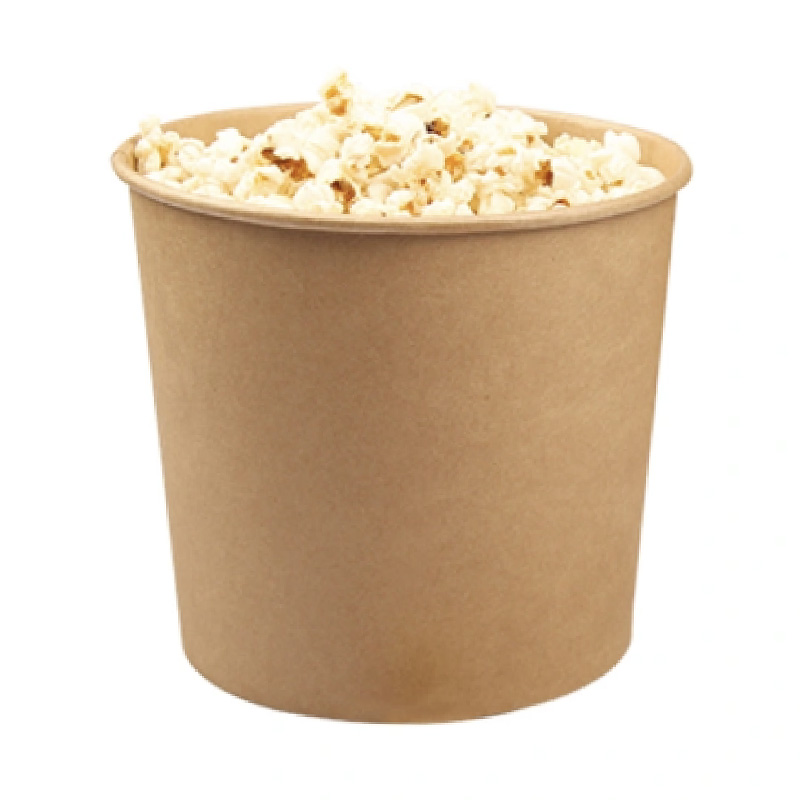
Match Capacity with Actual Serving Portions
Container capacity is not always the same as usable serving volume. The shape of the food, the filling method, and the space needed at the top can all affect how much a bucket holds in practice.
Before selecting a size, buyers should test the container with the intended food rather than relying only on listed dimensions. Popcorn, fried snacks, and packaged desserts have different shapes and densities, so each application requires its own evaluation. Matching bucket capacity with serving portions also helps staff follow consistent filling procedures during busy periods.
Improve Filling Efficiency with Practical Design
Food businesses often prepare multiple orders in a short time. A bucket with a suitable opening and stable base makes filling easier and helps reduce spills around preparation areas.
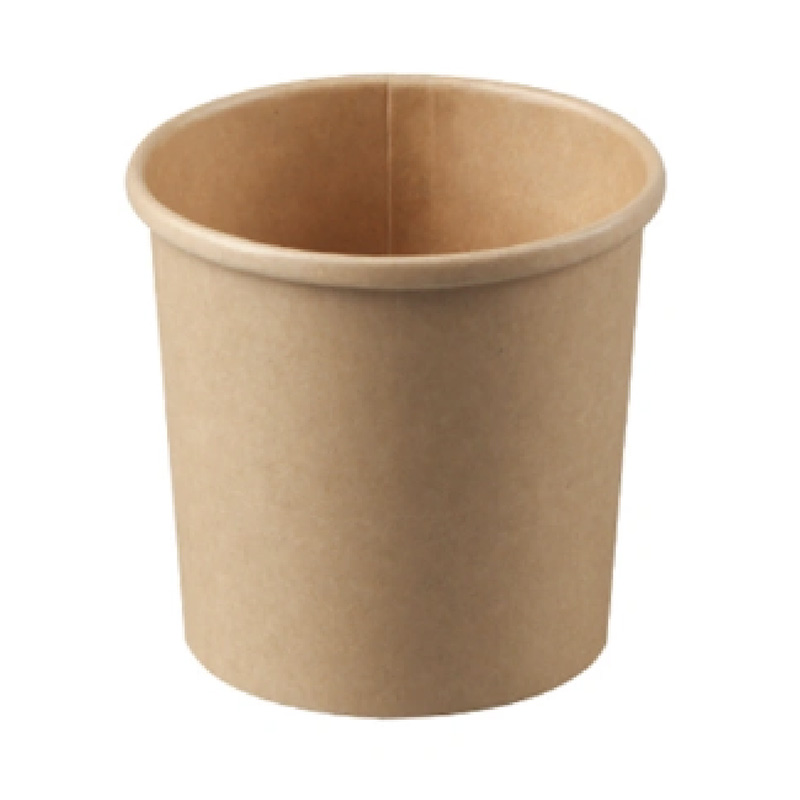
When comparing food paper buckets for commercial use, buyers should consider the following features:
- Opening diameter: Allows staff to fill the container without unnecessary difficulty.
- Bucket height: Supports the intended serving size and food presentation.
- Base construction: Helps the container remain stable on work surfaces.
- Rim design: Supports convenient handling during preparation and serving.
These details are particularly relevant for foodservice operators that use repeatable filling procedures.
Choose Materials for the Intended Menu
Different foods create different packaging challenges. Popcorn may require a lightweight container, while fried chicken and fries can expose paper to oil and moisture. Desserts may place greater emphasis on appearance and contact suitability.
Buyers should communicate the food type, serving temperature, and expected holding time before selecting materials. Where coatings or barriers are used, their suitability for the intended food-contact conditions should be verified. Sample testing helps determine whether the bucket maintains its shape and performs as expected during normal use.
Keep Stacking and Storage in Mind
Packaging also needs to fit the working environment before it reaches the customer. Buckets that are difficult to stack or store can occupy unnecessary space in kitchens, warehouses, and distribution facilities.
For bulk orders, buyers should evaluate how empty containers are packed, handled, and stored. Consistent dimensions can make inventory management more straightforward, particularly for distributors supplying several restaurant locations. Storage conditions should also protect paper packaging from moisture and deformation before use.
Use Custom Printing Without Sacrificing Clarity
Printed packaging can help restaurants and snack brands maintain a recognizable visual identity. Logos, brand colours, and promotional messages can be incorporated into the bucket design, provided they remain legible on the finished container.
For custom paper buckets for food, we recommend confirming the artwork layout, printable area, and container dimensions before production. Physical samples allow buyers to assess print appearance and check whether the design remains clear after assembly. Approving these details in advance can reduce unnecessary revisions during repeat orders.
Verify Quality Before Confirming Bulk Production
A packaging sample should be evaluated under realistic conditions, including filling, carrying, stacking, and contact with the intended food. Buyers should also check seam integrity, base stability, print consistency, and dimensional accuracy.
As a manufacturer, we encourage customers to establish clear product specifications before production begins. Sharing serving requirements, storage conditions, branding preferences, and destination-market regulations helps align product design with business needs. A documented approval process also provides a practical reference for future orders.
Build Consistency into Everyday Foodservice
Suitable packaging supports more than food presentation. It helps staff manage portions, maintain an orderly preparation process, and deliver a consistent experience across locations. By assessing capacity, material performance, storage needs, and branding before ordering, buyers can select paper buckets for food that fit their operations and support dependable service across takeaway, catering, and snack retail applications.

Quick Links
Contact Information
Tel :+86-577-68638886
Phone :+86-13732041077
Fax:+86-577-68628876
Email :[email protected]
Add : No,.1299 Keji Road, Longgang City, Wenzhou City, Zhejiang Province, China
Contact Information
Copyright © Zhejiang Richpak Technology Co., Ltd.

Custom Cake Paper Cups