

 English
 中文简体
 русский
 Español
 عربى

How Better Paper Box Design Helps Reduce Food Delivery Packaging Problems
2026-11-13
As takeaway orders and food delivery services continue to grow, packaging performance has become an important concern for restaurants, food distributors, and wholesale buyers. A paper box must do more than hold food. It needs to maintain its shape, prevent leakage, support convenient handling, and protect food during transportation. For buyers sourcing disposable paper boxes for food, choosing suitable materials and box structures can help reduce customer complaints and unnecessary packaging costs. As a manufacturer, we believe that understanding real foodservice conditions is essential when developing practical paper packaging solutions.
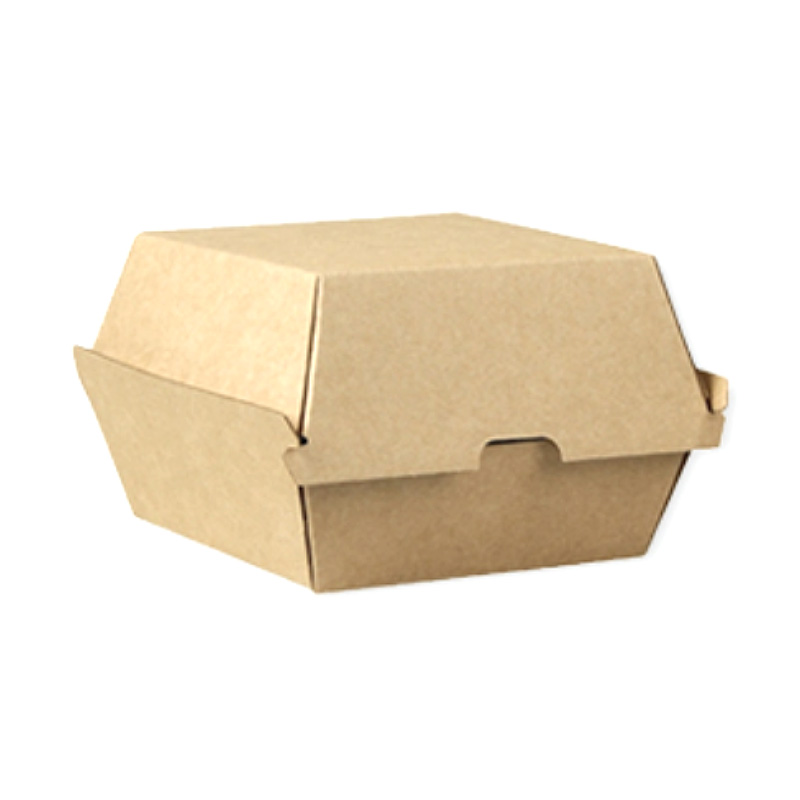
Preventing Leakage During Food Transportation
Sauces, cooking oils, and food moisture can create challenges for paper packaging. If the bottom structure is weak or the barrier coating is unsuitable, liquid may penetrate the paperboard and cause leakage.
When selecting food boxes, buyers should pay attention to bottom-folding structures, corner sealing, and grease-resistant materials. Different meals also require different protection levels. Packaging for dry snacks does not necessarily suit rice dishes or oily takeaway meals.
Testing samples with the intended food type before bulk orders helps identify potential problems early.
Choosing the Right Structure for Different Meals
A suitable box design should match the shape, weight, and serving method of the food.
- Burger boxes need convenient opening and closing structures.
- Lunch boxes require stable bottoms to support complete meals.
- Fried food boxes benefit from ventilation that helps release excess steam.
- Bakery boxes need sufficient rigidity to protect delicate products.
For distributors serving different food businesses, offering several packaging styles can make product selection easier.
Balancing Heat Retention and Ventilation
Hot food releases steam after cooking. If moisture becomes trapped inside a tightly closed container, fried products may lose their crisp texture, while condensation can affect the paperboard.
Ventilation openings can help manage steam, but their position and size should be considered carefully. Packaging for fried chicken may need a different design from packaging for rice meals or baked products.
Manufacturers should evaluate ventilation alongside lid fit, food protection, and transportation conditions.
Making Custom Printing More Practical
Custom-printed paper boxes help restaurants maintain consistent brand presentation across takeaway orders. However, printing requirements should be considered together with production efficiency.
Buyers should prepare clear artwork files and confirm printing colors, logo placement, box dimensions, and surface finishes before production. Food-contact suitability of inks, coatings, and adhesives should also be verified for the intended application.
A confirmed pre-production sample can reduce misunderstandings during bulk manufacturing.
Improving Storage and Assembly Efficiency
Packaging that is difficult to assemble can slow down restaurant operations, particularly during busy service periods. Flat-packed disposable paper boxes for food can help reduce storage space and simplify transportation.
Buyers should also check whether boxes are easy to fold, stack securely, and maintain their shape after assembly. These details influence daily handling efficiency and warehouse management.
Evaluating Suppliers Beyond Unit Prices
When comparing manufacturers, wholesale buyers should look beyond quotation figures. Material specifications, sample quality, production consistency, customization options, and export packaging all deserve attention.
It is also useful to confirm minimum order quantities, lead times, and available compliance documents before placing an order. Clear communication at the sampling stage helps avoid unnecessary changes later.
Developing Packaging Around Real Foodservice Needs
Reliable food packaging comes from matching materials and structures with actual usage conditions. From grease resistance and ventilation to printing and storage efficiency, every detail can influence the finished product. As a manufacturer, we focus on practical design considerations when developing disposable paper boxes for food, helping overseas buyers select packaging that supports restaurant operations, product presentation, and long-term supply requirements.

Quick Links
Contact Information
Tel :+86-577-68638886
Phone :+86-13732041077
Fax:+86-577-68628876
Email :[email protected]
Add : No,.1299 Keji Road, Longgang City, Wenzhou City, Zhejiang Province, China
Contact Information
Copyright © Zhejiang Richpak Technology Co., Ltd.

Custom Cake Paper Cups