

 English
 中文简体
中文简体 русский
 Español
 عربى
عربى
How to Choose the Right Salad Bowl Size
2026-03-27
Portion control and packaging efficiency have become important considerations for restaurants, takeaway kitchens, and food delivery services. The Salad Paper Bowl is widely used because it allows businesses to package fresh meals quickly while maintaining presentation and hygiene. Buyers working with a professional Salad Bowl Manufacturer often ask one practical question before placing large orders: what bowl size works better for their menu?
Selecting the correct container size influences customer satisfaction, food appearance, and delivery performance. A bowl that is too small may compress ingredients and cause dressing to spill, while an oversized bowl can make portions look smaller than expected.
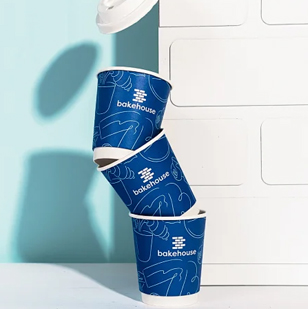
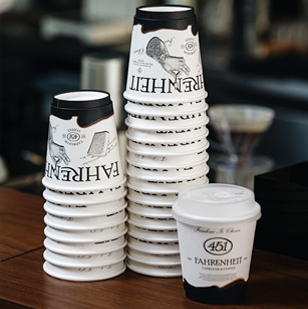
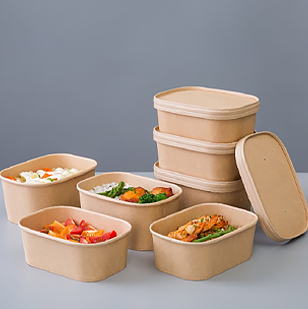
Common Salad Bowl Sizes in the Food Industry
Disposable paper salad bowls are produced in several standard capacities to match different serving styles. These sizes are commonly used by restaurants and takeaway brands.
Typical bowl capacities include:
12–16 oz (350–470 ml) – side salads or small portions
24 oz (700–950 ml) – standard lunch salads
32 oz (950 ml) – large entrée salads
48 oz or larger – family or shared meals
These size ranges allow restaurants to match packaging with menu items while maintaining consistent portion presentation.
In takeaway operations, the 24 oz and 32 oz Salad Paper Bowl sizes are particularly common because they provide enough space for vegetables, protein, and toppings without compressing ingredients.
Understanding Real Filling Volume
The labeled capacity of a bowl does not always represent the actual usable volume. A container might hold 24 oz at maximum capacity, yet restaurants usually fill it to a slightly lower level to avoid overflow.
Industry guidelines suggest leaving extra space for mixing ingredients and closing the lid securely. A bowl with a 710 ml capacity may realistically hold around 500–550 ml of prepared salad once toppings and dressing are added.
This difference between theoretical capacity and practical fill volume explains why restaurants often choose a slightly larger container than the food portion itself.
Matching Bowl Size With Menu Items
Different types of meals require different bowl dimensions. Salads with light greens occupy more space than dense foods such as rice or pasta.
A useful reference guideline often used in food packaging:
Light vegetable salads
Suggested bowl: 12–16 oz
Typical ingredients: lettuce, cucumber, tomato
Standard mixed salads
Suggested bowl: 24 oz
Typical ingredients: greens, grilled chicken, vegetables
Grain bowls or heavy salads
Suggested bowl: 32 oz
Typical ingredients: quinoa, rice, protein toppings
Industry packaging guides recommend selecting a bowl about 1.5 times larger than the food weight to maintain presentation and prevent overflowing ingredients.
This rule helps restaurants create visually appealing meals while maintaining practical packaging.
Bowl Shape and Depth Also Matter
Capacity alone does not determine how well a bowl performs. The shape of the bowl influences how ingredients are arranged and how easy it is for customers to eat the meal.
Two common bowl shapes are widely used:
Wide and shallow bowls
Display ingredients clearly
Suitable for grab-and-go displays
Often used in retail food counters
Narrow and deeper bowls
Better stacking efficiency
Suitable for delivery or transport
Helps prevent ingredients from spilling
Packaging designers often balance diameter and depth to achieve both presentation and stability during delivery.
Restaurants focusing on food photography or display cabinets frequently prefer wider bowls, while delivery kitchens often choose deeper designs.
Lid Compatibility Is Often Overlooked
A bowl cannot function effectively without the correct lid. Matching lid size and bowl rim design is essential for leak prevention and stacking.
Common lid materials used with paper bowls include:
PET transparent lids for food visibility
PP lids for heat resistance
PLA lids for compostable packaging
Properly matched lids help prevent dressing spills and maintain freshness during transportation.
Even a well-designed bowl may fail during delivery if the lid does not seal correctly.
How Restaurants Decide Which Size to Use
Food service operators often test several bowl sizes before finalizing their packaging choices. Factors influencing the decision typically include:
Menu composition – number of toppings and ingredients
Delivery distance – longer transport requires more secure packaging
Customer expectations – portion appearance affects perceived value
Stacking efficiency – storage and shipping space considerations
Restaurants serving build-your-own salads often prefer larger bowls because customers add multiple toppings. Smaller bowls are more common for pre-portioned menu items.
Packaging Suppliers Provide Custom Options
Large-scale food businesses often require customized bowl sizes, printed branding, or special coatings for grease resistance. A professional Salad Bowl Manufacturer typically offers:
Multiple capacity options
Custom logo printing
Different lid materials
Bulk packaging for food distributors
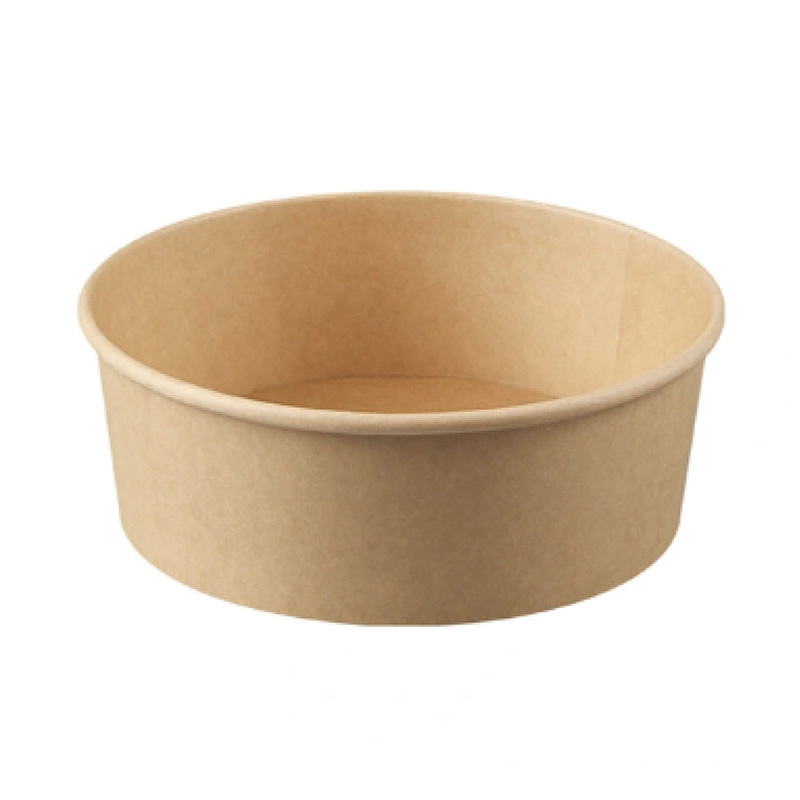
Companies such as Zhejiang Richpak Technology Co., Ltd. supply disposable food containers designed for takeaway restaurants and global packaging distributors. Their production capabilities allow businesses to choose from several Salad Paper Bowl sizes depending on menu requirements and transportation conditions.

Quick Links
Contact Information
Tel :+86-577-68638886
Phone :+86-13732041077
Fax:+86-577-68628876
Email :[email protected]
Add : No,.1299 Keji Road, Longgang City, Wenzhou City, Zhejiang Province, China
Contact Information
Copyright © Zhejiang Richpak Technology Co., Ltd.

Custom Cake Paper Cups