

 English
 中文简体
中文简体 русский
 Español
 عربى
عربى
Are Chemicals a Concern in Salad Paper Bowl
2026-03-20
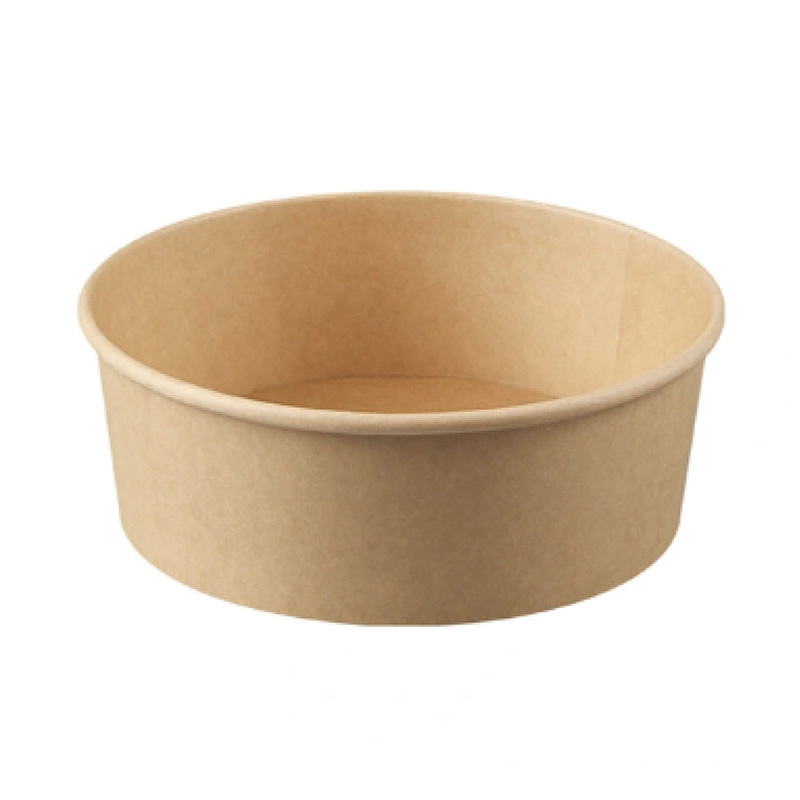
Food packaging safety has become a widely discussed topic across search engines, industry blogs, and consumer forums. Disposable containers are used daily in restaurants, takeaway services, and supermarkets, which naturally raises questions about the materials used in these products. The Salad Paper Bowl is one of the more common packaging choices for fresh meals, grain bowls, and takeaway salads. Businesses sourcing these containers often collaborate with a professional Salad Bowl Manufacturer to ensure food-contact safety and regulatory compliance.
Concerns about chemicals in food packaging typically focus on the coatings and additives used to make paper bowls resistant to moisture and oil. These coatings help prevent leaks and maintain structural strength, yet they also bring attention to the safety of the materials used during manufacturing.
Why Are Chemicals Used in Paper Food Containers?
Paper containers must handle moisture, oil, and acidic ingredients such as vinegar or citrus dressing. Natural paper fibers absorb liquid easily, which means untreated paper would quickly soften or collapse when used for food packaging.
To improve performance, manufacturers apply barrier layers or additives that provide:
Grease resistance for oily foods
Water resistance to prevent leakage
Structural durability during transport
These protective properties allow a Salad Paper Bowl to hold sauces, dressings, and fresh vegetables without losing shape.
One group of chemicals historically used for grease resistance is known as PFAS (per- and polyfluoroalkyl substances). These compounds were added to paper packaging to create water- and oil-repellent surfaces.
Understanding PFAS and “Forever Chemicals”
PFAS chemicals are sometimes referred to as “forever chemicals” because they break down very slowly in the environment and can accumulate over time.
Research has found that PFAS have been used in various types of food packaging, including paper wrappers, molded fiber containers, and disposable bowls designed to hold greasy foods.
Several studies have also suggested that small amounts of these substances may migrate from packaging into food under certain conditions, especially when food is hot or oily.
Because of these findings, regulatory agencies and environmental groups have increased attention on the materials used in food packaging.
Regulatory Changes and Industry Response
The packaging industry has been actively adjusting to changing regulations and consumer expectations. Governments and food safety authorities in different regions have introduced policies aimed at reducing the use of PFAS in food-contact materials.
Recent developments include:
Voluntary industry commitments to phase out certain PFAS used for grease-proofing food packaging.
Increased testing and monitoring of paper and paperboard food containers.
Growing demand for PFAS-free barrier technologies.
Food safety authorities have reported that manufacturers are moving away from grease-proofing substances containing these chemicals in paper food packaging.
These shifts are encouraging packaging producers to adopt alternative materials and coating technologies.
Alternative Coating Technologies in Modern Paper Bowls
Advances in packaging materials have led to several new options designed to reduce chemical concerns while maintaining performance. Modern Salad Paper Bowl products may use different types of protective layers, including:
Water-based coatings designed to create moisture resistance
PLA biopolymer linings derived from plant materials
PE or PP layers that create a protective barrier between food and paper fibers
Each technology offers different performance characteristics, including heat tolerance, oil resistance, and recyclability. The goal is to balance durability with environmental considerations.
A reliable Salad Bowl Manufacturer typically evaluates these materials carefully to ensure they meet food safety standards and packaging regulations.
Why Material Transparency Matters to Buyers
Restaurants, catering companies, and food distributors increasingly request detailed information about packaging materials. Transparency allows buyers to verify that products meet regulatory requirements in their target markets.
Important aspects buyers often review include:
Food-contact safety certifications
Material composition and coating type
Recycling or compostability characteristics
Compliance with regional packaging regulations
Clear documentation helps businesses maintain confidence in their packaging supply chain.
The Role of Responsible Manufacturing
Production standards also influence packaging safety. High-quality manufacturing processes ensure that coatings are applied evenly and that materials remain stable during use.
Manufacturers focusing on export markets often implement strict quality control systems. These may include raw material testing, production monitoring, and final product inspections.
Companies such as Zhejiang Richpak Technology Co., Ltd. supply food packaging solutions for international markets and emphasize consistent production standards for disposable containers. Their product range includes multiple sizes of paper bowls designed for takeaway meals, salad packaging, and food delivery services.

Quick Links
Contact Information
Tel :+86-577-68638886
Phone :+86-13732041077
Fax:+86-577-68628876
Email :[email protected]
Add : No,.1299 Keji Road, Longgang City, Wenzhou City, Zhejiang Province, China
Contact Information
Copyright © Zhejiang Richpak Technology Co., Ltd.

Custom Cake Paper Cups