

 English
 中文简体
中文简体 русский
 Español
 عربى
عربى
Why Do Some Salad Bowls Leak With Dressing
2026-03-13
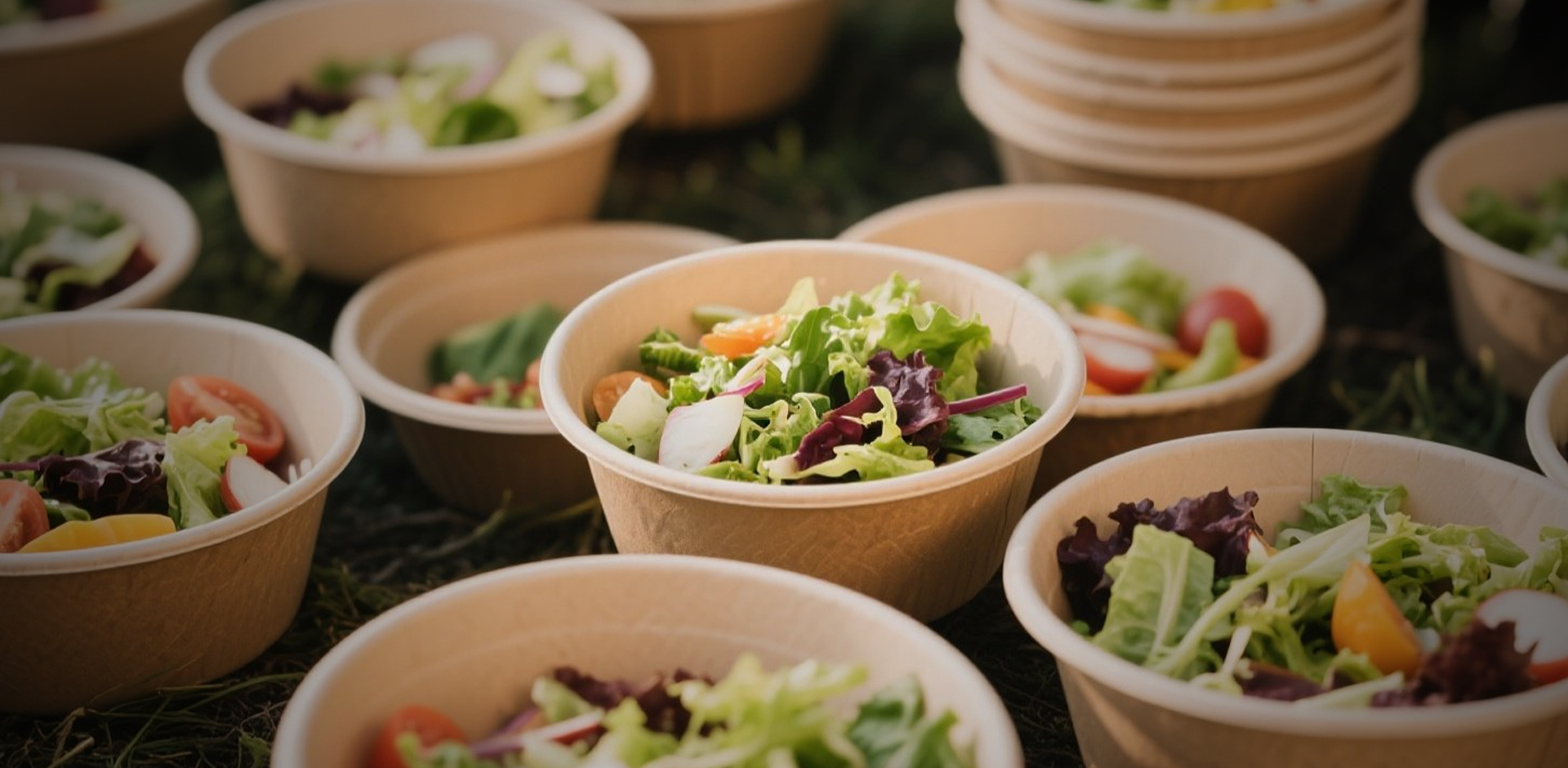
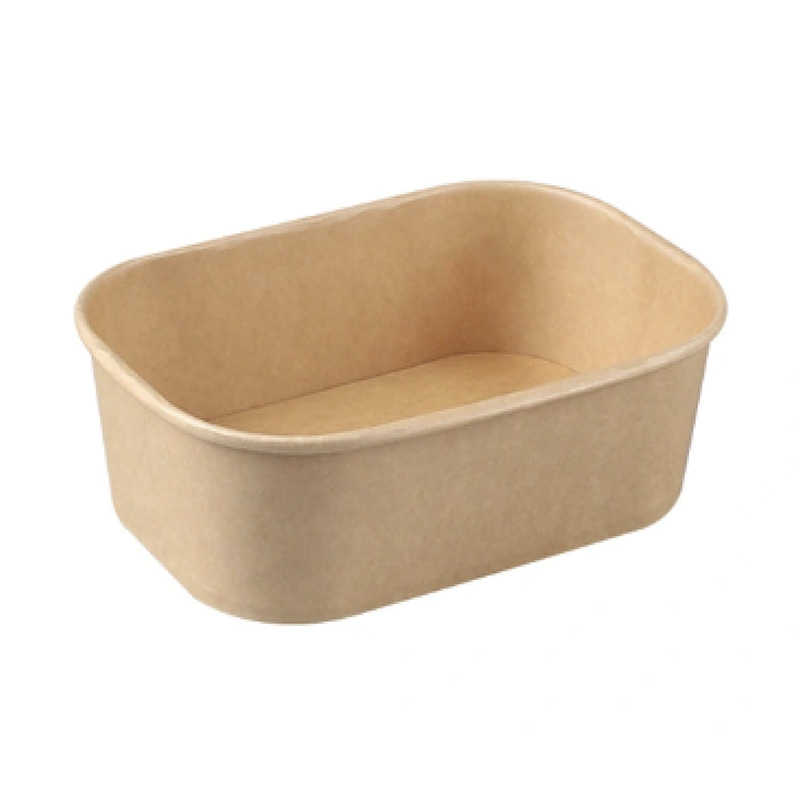
Unexpected leaks from takeaway food packaging can quickly ruin the customer experience. Restaurant owners, meal-prep services, and delivery platforms often discuss this issue when selecting disposable containers. The Salad Paper Bowl has become a widely used packaging option because it is lightweight and convenient, yet questions about leakage still appear in search engines and online forums.
Businesses that source packaging from a professional Salad Bowl Manufacturer often pay close attention to leak resistance. Dressing, oil, vinegar, and moisture from fresh vegetables can challenge the structural integrity of any disposable container. Understanding the reasons behind leakage helps restaurants choose the right specifications and improve food packaging reliability.
The Role of Coatings in Preventing Leaks
Paper by itself naturally absorbs moisture. Without additional protection, liquids can penetrate paper fibers and weaken the structure of the bowl. That is why modern Salad Paper Bowl products include a protective inner lining.
The more common barrier coatings include:
Polyethylene (PE) coating – creates a waterproof layer inside the bowl
PLA plant-based lining – helps resist oil and dressing while supporting compostable designs
Water-based coatings – designed to reduce chemical usage while maintaining liquid resistance
These coatings prevent liquids from seeping through the paper fibers and help maintain the bowl’s shape during use. The quality and thickness of the coating play a major role in preventing leaks.
Reliable manufacturers carefully control coating thickness and application during production to ensure the protective layer remains continuous and durable.
Thin Paperboard Can cause Weak Structures
Another common reason for leakage is insufficient material strength. Paper bowls are produced from paperboard with a specified grammage (GSM), which refers to the weight and thickness of the paper.
Bowls made from thinner paperboard may appear sturdy at primary but can weaken when exposed to moisture from salad dressing. Once the fibers absorb liquid, the bowl may soften or deform.
Packaging experts often recommend using thicker kraft paper for containers intended to hold dressing or warm foods. Higher-density paperboard improves structural stability and reduces the risk of leakage during delivery or handling.
Oil and Acidic Dressings Create Additional Challenges
Not all liquids behave the same way inside food containers. Oil-based dressings and acidic sauces tend to penetrate paper materials more aggressively than water.
Typical salad ingredients introduce several factors that affect packaging performance:
Oil from vinaigrette or olive oil
Acid from vinegar or citrus ingredients
Moisture released from fresh vegetables
Oils can gradually penetrate paper fibers, especially if the coating layer contains microscopic defects. Acidic liquids may also affect the durability of certain coatings over time.
Restaurants that serve heavily dressed salads often select containers with reinforced coatings or thicker material layers to reduce this risk.
Manufacturing Precision Matters
Leakage sometimes originates from manufacturing issues rather than material choice. A Salad Bowl Manufacturer must carefully control several production steps to ensure every container performs as expected.
Common manufacturing factors that affect leak resistance include:
Bottom sealing quality – weak seals between the bowl body and base can create gaps
Mold precision – poorly aligned molds may leave uneven edges
Temperature and pressure during sealing – incorrect settings can weaken the joint between paper layers
Even small inconsistencies during the sealing process can create tiny gaps where liquids may escape. Proper equipment maintenance and quality inspections help reduce these defects.
Lid Compatibility and Transport Conditions
Another overlooked cause of leaks involves the lid and transportation environment. A bowl may perform well on its own but still leak during delivery if the lid does not fit properly.
Key factors that influence leak prevention include:
Secure lid design that locks onto the rim
Tight rim construction that prevents liquid from escaping
Stable stacking during transport
Packaging tests show that bowls with well-designed rims and compatible lids can withstand shaking, temperature changes, and stacking pressure without significant leakage.
Delivery services that transport meals for extended periods benefit from containers designed specifically for takeaway logistics.
Packaging Quality Supports Brand Reputation
Takeaway packaging plays an important role in how customers perceive a restaurant. A leaking bowl can damage not only the packaging but also the brand image of the business serving the food.
Companies such as Zhejiang Richpak Technology Co., Ltd. focus on producing disposable food containers designed for modern takeaway and delivery environments. By working with experienced packaging suppliers, restaurants can select Salad Paper Bowl solutions that combine durability, food safety, and convenience.
Strong materials, precise manufacturing, and compatible lids all contribute to reliable packaging performance. With careful selection and proper use, the Salad Paper Bowl remains a practical option for serving fresh salads and other takeaway meals.

Quick Links
Contact Information
Tel :+86-577-68638886
Phone :+86-13732041077
Fax:+86-577-68628876
Email :[email protected]
Add : No,.1299 Keji Road, Longgang City, Wenzhou City, Zhejiang Province, China
Contact Information
Copyright © Zhejiang Richpak Technology Co., Ltd.

Custom Cake Paper Cups