

 English
 中文简体
中文简体 русский
 Español
 عربى
عربى
Can Salad Paper Bowl Handle Hot Foods Safely
2026-03-06
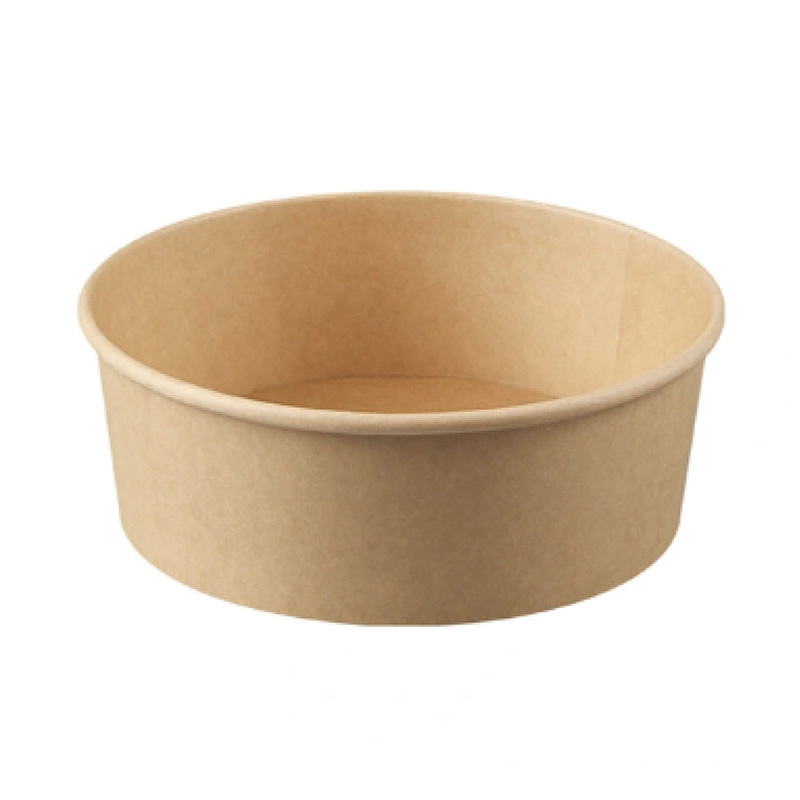
Rising demand for convenient takeaway meals has increased the use of disposable food packaging across restaurants, delivery kitchens, and supermarkets. Among these solutions, the Salad Paper Bowl has become widely used because it is lightweight, practical, and suitable for both dine-in and takeaway meals. Businesses looking for reliable packaging often work with a Salad Bowl Manufacturer that can provide food-grade materials and consistent production quality.
Food safety and heat resistance remain common concerns for restaurant owners and food service operators. Questions about whether paper bowls can handle warm ingredients or reheated meals frequently appear in online discussions and industry forums.
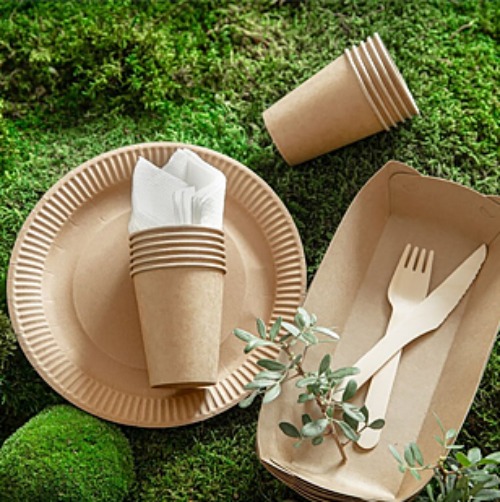
Understanding the Materials Behind Paper Salad Bowls
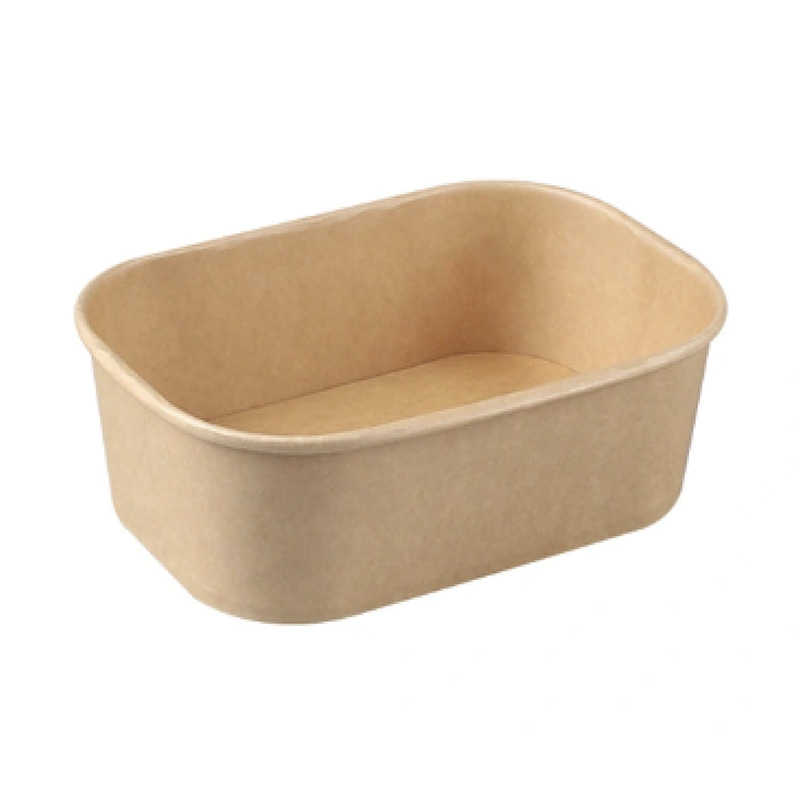
A typical Salad Paper Bowl is made from food-grade kraft paper or bamboo fiber pulp. The base paper provides structure and rigidity, while an inner coating prevents oil or moisture from soaking through the material. This design allows the bowl to hold both dry salads and foods containing dressing or sauce.
Manufacturers often use coatings such as PE, PP, or plant-based materials to create a barrier that keeps liquids from leaking. These coatings also help the bowl maintain its shape during short-term contact with warm food. Some paper bowls can tolerate both hot and cold foods, depending on the thickness of the paper and the type of lining used.
Working with an experienced Salad Bowl Manufacturer ensures that the material composition meets food-contact standards and performs reliably during packaging and transport.
Can Paper Salad Bowls Be Used With Hot Foods?
Paper bowls designed for food service are typically engineered to handle moderate heat levels. This allows them to hold warm dishes such as pasta, noodles, grain bowls, or roasted vegetables without structural damage.
Important factors affecting heat performance include:
Paper thickness – Heavier paperboard provides better structural strength.
Inner coating type – Protective layers prevent grease and liquid absorption.
Food temperature – Extremely high temperatures may affect certain coatings.
Many paper bowls are designed to hold both hot and cold foods safely when used within recommended temperature ranges. Their leak-resistant structure helps prevent spills during transportation or takeaway service.
Restaurants that serve warm salads or grain bowls often select thicker paper containers to improve durability during delivery.
Are All Salad Paper Bowls Microwave Safe?
Microwave safety is one of the more frequently discussed questions in packaging forums. The answer depends on the specific design of the bowl.
Some paper bowls are labeled microwave-safe and can tolerate reheating for short periods. However, not every disposable bowl should be placed in a microwave. Bowls with certain plastic linings may deform or release substances when exposed to high heat.
Industry guidance suggests checking the following before microwaving a bowl:
Manufacturer labeling for microwave compatibility
Type of coating used inside the bowl
Maximum recommended temperature
Paper bowls specifically tested for microwave use are designed to withstand heating without warping or affecting food safety.
Why Heat Resistance Matters for Takeaway Food
Takeaway and delivery meals often remain inside packaging for 20–40 minutes before being eaten. During that time, heat from food and moisture from sauces can weaken poorly designed containers.
Heat-resistant paper bowls provide several practical advantages:
Maintain structural stability during delivery
Reduce leakage caused by condensation
Support various menu items, from salads to rice dishes
Improve presentation when customers open the package
These factors are especially important for restaurants offering mixed dishes that combine warm ingredients with fresh vegetables.
Sustainable Materials and Food Safety
Environmental impact is another key concern for buyers choosing disposable food containers. Many paper bowls are produced using renewable paper fibers and can be recycled or composted depending on the material composition.
Certifications such as FSC for paper sourcing or compostability certifications help verify that raw materials come from responsible supply chains. Regulations in several regions are also encouraging packaging manufacturers to reduce the use of certain chemical additives in food packaging.
Companies investing in sustainable materials can reduce plastic waste while maintaining the performance required for modern food delivery services.
Choosing a Reliable Packaging Partner
Packaging quality often depends on the production standards of the supplier. A professional Salad Bowl Manufacturer typically provides:
Food-grade raw materials
Multiple capacity options such as 500–1300 ml
Custom printing or branding
Quality testing for leakage and durability
Manufacturers that focus on export packaging also design bowls to withstand stacking, transportation, and long-distance shipping.
Companies such as Zhejiang Richpak Technology Co., Ltd. supply paper food containers used by restaurants, takeaway brands, and food distributors. Their production capabilities allow businesses to customize bowl sizes, printing, and packaging formats based on different market requirements.
Practical Tips for Restaurants Using Paper Salad Bowls
Food businesses can extend the performance of disposable bowls by following a few simple practices:
Match bowl size to portion size to avoid overfilling.
Separate very hot sauces until serving when possible.
Use compatible lids to prevent heat loss and leakage.
Choose certified microwave-safe bowls when reheating is required.
These small adjustments help maintain food quality while reducing the risk of packaging damage.

Quick Links
Contact Information
Tel :+86-577-68638886
Phone :+86-13732041077
Fax:+86-577-68628876
Email :[email protected]
Add : No,.1299 Keji Road, Longgang City, Wenzhou City, Zhejiang Province, China
Contact Information
Copyright © Zhejiang Richpak Technology Co., Ltd.

Custom Cake Paper Cups