

 English
 中文简体
 русский
 Español
 عربى

Material Selection and Box Durability Shape the Demand for Disposable Paper Food Packaging
2026-11-20
With takeaway meals, meal-prep services, and food delivery becoming part of everyday consumption, food businesses are paying closer attention to packaging durability. A paper container that bends under food weight, absorbs oil, or loses its shape during transportation can affect both food presentation and customer experience. For wholesalers, distributors, and restaurant supply buyers, disposable paper boxes for food need to meet practical requirements without adding unnecessary material costs. As a manufacturer, we see material selection and structural design as two important factors in developing packaging for different foodservice applications.
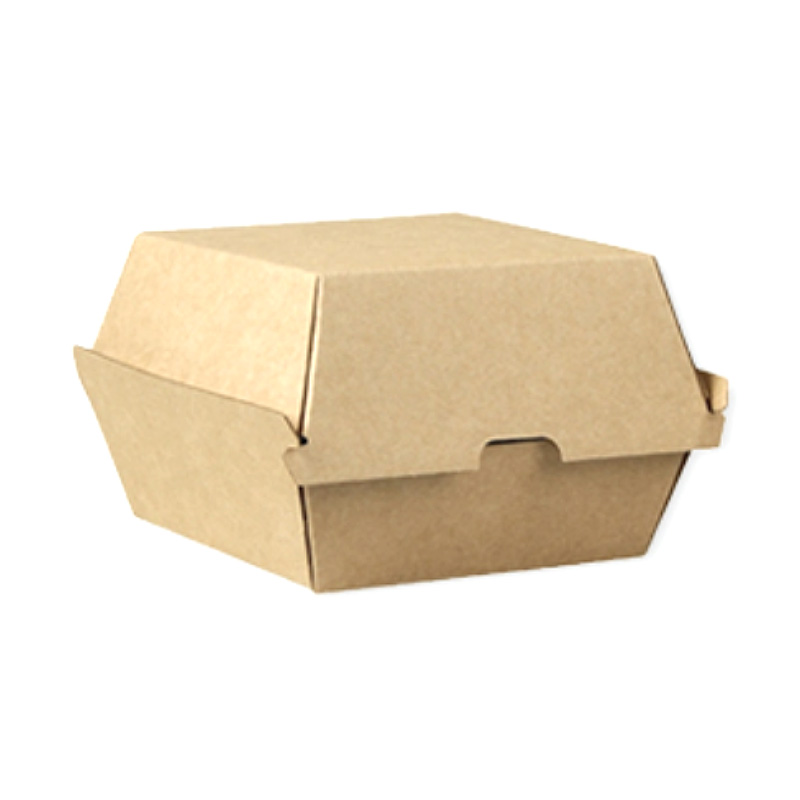
Paperboard Quality Affects Packaging Performance
The choice of paperboard influences the rigidity, folding performance, and appearance of a finished box. Packaging for lightweight bakery products may have different material requirements from containers used for heavy takeaway meals.
Buyers should consider food weight, serving temperature, moisture exposure, and transportation conditions before confirming material specifications. Selecting paperboard according to the intended application helps avoid problems such as collapsed sides, weak bottoms, and damaged corners.
Grease and Moisture Barriers Need Practical Testing
Oil and moisture are common challenges in food packaging. Ordinary paperboard may soften when exposed to greasy meals or sauces for extended periods.
For this reason, buyers should check whether the selected coating or barrier treatment is suitable for the intended food application. They should also request relevant food-contact documentation and clarify the chemical composition of grease-resistant treatments.
Testing packaging with actual food samples can provide a clearer understanding of its performance than relying on appearance alone.
Box Design Influences Daily Restaurant Operations
A functional container should be easy for restaurant employees to assemble, fill, close, and stack.
Different applications require different structures:
- Burger boxes need convenient access and secure closure.
- Takeaway meal boxes need stable bottoms and sufficient capacity.
- Fried food containers benefit from suitable ventilation.
- Dessert boxes require structures that help protect delicate products.
A well-designed structure can simplify food preparation and reduce handling difficulties during busy service periods.
Sustainable Packaging Requires More Than Paper Materials
Environmental considerations are influencing food packaging decisions across international markets. However, paper-based packaging should not automatically be described as compostable or recyclable in every situation.
Coatings, adhesives, printing materials, and local waste-management facilities can all affect disposal options.
For overseas buyers, it is important to confirm the actual material composition and check whether the packaging meets the environmental requirements of the target market. Clear product documentation also helps distributors communicate accurate information to their customers.
Custom Printing Supports Food Business Branding
Restaurants and food chains increasingly use packaging as part of their customer-facing presentation. Custom logos, colors, and printed patterns can help create a consistent visual identity.
For bulk orders, manufacturers should confirm artwork files, printing methods, dimensions, and sample approval before production. Buyers should also consider how printing and surface treatments interact with food-contact requirements.
Supplier Evaluation Should Include Production Consistency
A sample may look satisfactory, but wholesale buyers also need confidence in repeated production quality. Differences in cutting, folding, coating, or printing can affect the finished packaging.
When evaluating a supplier, buyers should review:
- Material and product specifications.
- Sample quality and structural performance.
- Food-contact compliance documentation.
- Customization and production capabilities.
- Carton packing and export arrangements.
These checks help establish clearer expectations before long-term cooperation.
Matching Packaging Specifications With Market Demand
Food businesses need packaging that supports safe handling, convenient serving, and consistent product presentation. Material quality, barrier performance, box structure, and printing should therefore be evaluated together rather than separately. As a manufacturer, we focus on these practical requirements when developing disposable paper boxes for food, helping overseas distributors and foodservice buyers identify suitable packaging solutions for different meals, sales channels, and market expectations.

Quick Links
Contact Information
Tel :+86-577-68638886
Phone :+86-13732041077
Fax:+86-577-68628876
Email :[email protected]
Add : No,.1299 Keji Road, Longgang City, Wenzhou City, Zhejiang Province, China
Contact Information
Copyright © Zhejiang Richpak Technology Co., Ltd.

Custom Cake Paper Cups