

 English
 中文简体
 русский
 Español
 عربى

Takeaway Packaging Optimization Focuses on Stackability, Storage, and Food Protection
2026-11-23
As restaurants expand takeaway services and food distributors manage increasingly varied packaging orders, storage efficiency has become an important purchasing consideration. Food boxes must protect meals during handling while remaining convenient to store, transport, and assemble. For wholesalers and foodservice suppliers, disposable paper boxes for food are no longer selected based on appearance alone. Box dimensions, folding structures, stacking stability, and material performance all influence their suitability for daily operations. As a manufacturer, we believe packaging design should address these practical challenges from the beginning.
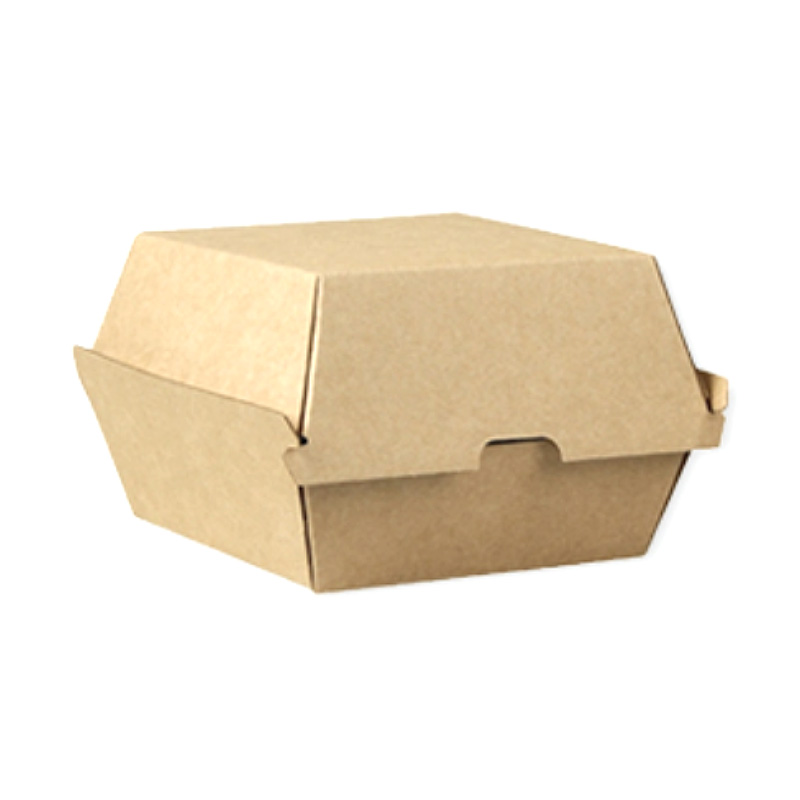
Stackable Structures Help Simplify Storage
Storage space is a common concern for restaurants, catering businesses, and packaging distributors. Bulky packaging can occupy valuable warehouse space and make inventory management more difficult.
Flat-packed paper boxes offer a practical solution because they can be stored before assembly. Buyers should consider the folded dimensions, carton arrangement, and ease of assembly when comparing different designs.
The finished box should also maintain its shape when stacked, especially when used for takeaway meals that require stable packaging.
Box Dimensions Should Match Actual Food Portions
Choosing packaging that is too large can increase material consumption and allow food to move during transportation. Containers that are too small may create pressure on lids and side panels.
When developing disposable paper boxes for food, manufacturers should consider:
- Food portion size and overall weight.
- Required space for sauces and side dishes.
- Lid clearance and closing convenience.
- Compatibility with delivery bags and storage shelves.
Providing actual food samples or detailed product dimensions can help manufacturers recommend suitable box sizes.
Bottom Strength Matters During Delivery
A container may look sturdy when empty but behave differently after being filled with hot or moist food. Weak bottom folds can cause deformation when restaurant staff lift or carry the box.
Paperboard selection, folding structure, and joint construction all influence load-bearing performance. For heavier meals, buyers should request sample testing under realistic filling and handling conditions rather than evaluating the packaging by appearance alone.
Moisture Control Helps Maintain Food Quality
Steam and condensation can affect both the food and the packaging. Fried meals may lose their crisp texture, while excessive moisture can soften paperboard.
Ventilation openings can help release steam, but they need to match the food application. A box for fried snacks may require a different ventilation arrangement from one designed for rice or pasta.
Suitable coatings and material combinations should also be considered when packaging oily or moisture-rich foods.
Custom Packaging Supports Different Sales Channels
Food brands, restaurant chains, and catering suppliers often have different packaging requirements. Some prioritize compact takeaway containers, while others need printed boxes that support product presentation.
Manufacturers can adjust dimensions, printing layouts, folding structures, and packaging specifications according to confirmed project requirements. Pre-production samples help buyers review the finished design before bulk manufacturing begins.
Export Packaging Requires Careful Planning
For international distributors, the packaging used to transport empty paper boxes is also important. Poor carton arrangements can lead to crushed corners, surface damage, or unnecessary shipping space.
Buyers should confirm carton strength, inner protection, packing quantities, and shipping dimensions with suppliers. These details help make warehouse receiving and subsequent distribution easier.
Practical Design Creates More Reliable Supply Solutions
Choosing suitable disposable paper boxes for food involves more than selecting a paper material or printing style. Storage efficiency, portion compatibility, bottom strength, moisture control, and export packaging all influence the final purchasing decision. As a manufacturer, we focus on coordinating these details during product development so overseas buyers can source packaging that fits their foodservice applications and distribution requirements.

Quick Links
Contact Information
Tel :+86-577-68638886
Phone :+86-13732041077
Fax:+86-577-68628876
Email :[email protected]
Add : No,.1299 Keji Road, Longgang City, Wenzhou City, Zhejiang Province, China
Contact Information
Copyright © Zhejiang Richpak Technology Co., Ltd.

Custom Cake Paper Cups